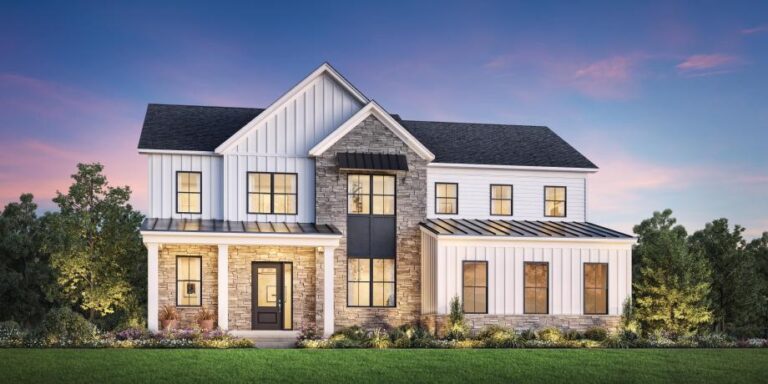
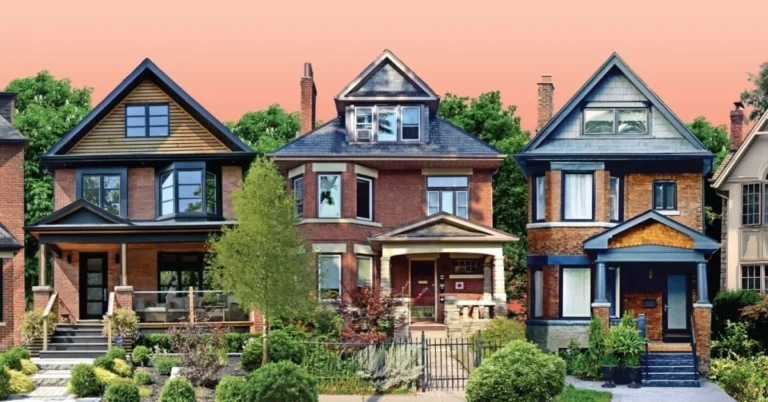
Tract Home Builders Complete Guide, Benefits, and Real-World Examples
Tract home builders are property developers who construct a large number of homes in a single area with similar or identical designs. These homes are usually built on a large scale in suburban neighborhoods, focusing on efficiency and affordability. This approach allows the cost per home to be lower compared to custom-built properties.
Tract home builders often rely on standardized designs and bulk-purchased materials. This streamlined process helps reduce construction costs and time. For families looking for a ready-to-move-in house at an affordable price, tract home building remains a popular option.
A Brief History of Tract Home Builders
The rise of tract home builders began in the United States after World War II. During this time, housing demand soared as returning veterans sought to establish families. Levitt & Sons became pioneers in this field, building thousands of uniform houses in suburban areas such as Levittown, New York.
Over time, tract housing evolved. While early models offered very little customization, modern tract home builders now provide limited options such as flooring, paint colors, and kitchen layouts. However, the main structure still follows mass-production principles.
Key Characteristics of Tract Home Builders
-
Large-scale construction with similar designs
-
Commonly located in suburban or developing city outskirts
-
Lower prices compared to custom homes
-
Faster building process due to standardized methods
-
Limited customization options
Benefits of Using Tract Home Builders
One of the main benefits of tract home builders is cost efficiency. Since they build many homes at once, the overall price per unit can be kept affordable. For first-time homebuyers or young families, this makes homeownership far more accessible.
Another major advantage is speed. Unlike custom homes that may take months or even years to complete, tract homes can often be built in weeks or a few months. This rapid pace meets the needs of buyers who want to move in quickly.
Additionally, tract home builders often include community infrastructure in their projects. Parks, schools, shopping centers, and road access are usually part of the development, creating a convenient living environment for residents.
Real-World Examples of Tract Home Builders
Levitt & Sons
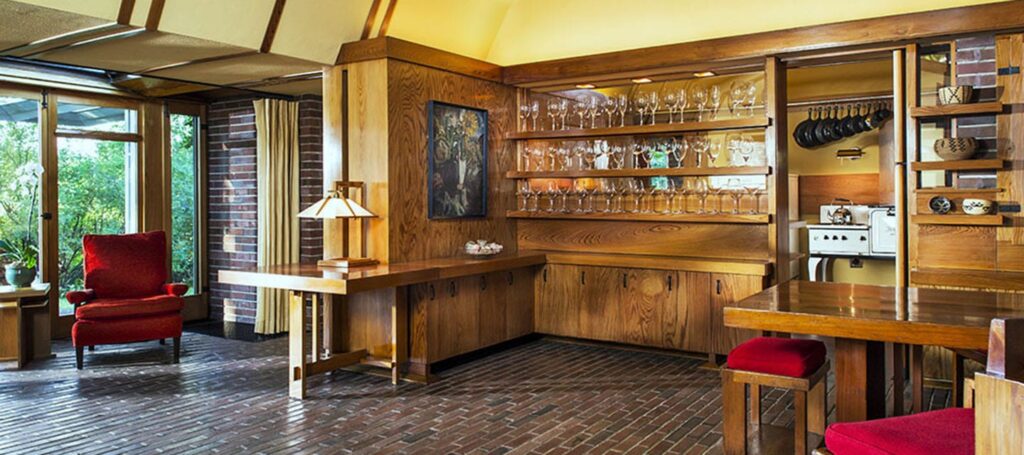
Levitt & Sons are considered pioneers of modern tract home building. Their Levittown project in New York, launched in 1947, consisted of thousands of uniform homes that became the symbol of American suburbia.
Their success came from applying mass-production methods similar to factory assembly lines. The result was affordable homes built quickly, meeting the post-war housing demand. For many families, Levittown represented stability and opportunity.
Lennar Homes
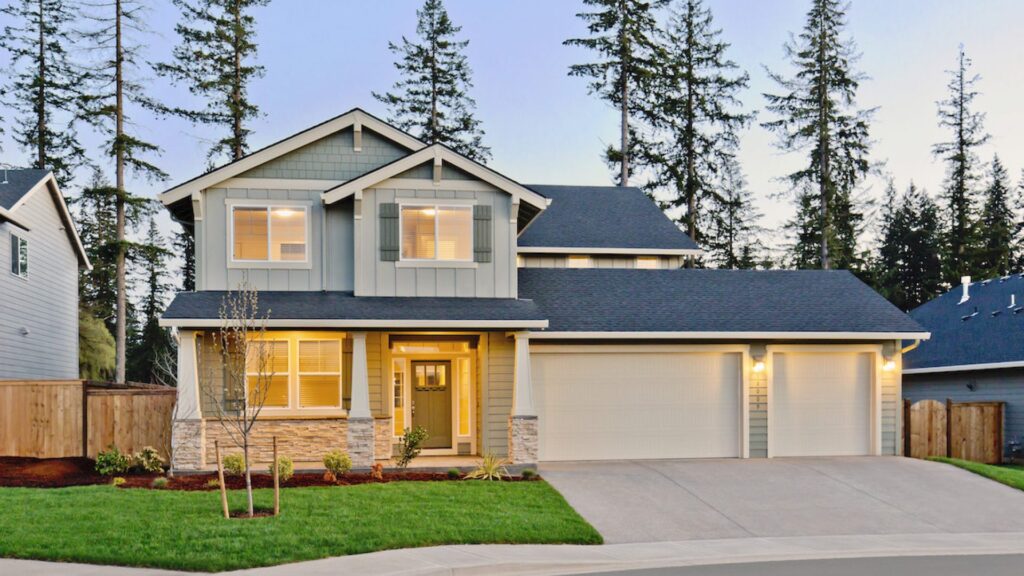
Lennar is one of the largest tract home builders in the U.S. today. They combine efficiency with modern amenities, offering homes equipped with smart home technology such as automated thermostats, security systems, and digital controls.
This shows how tract home builders have evolved to meet modern lifestyles. Buyers not only get affordable housing but also gain access to features that enhance comfort and convenience.
D.R. Horton
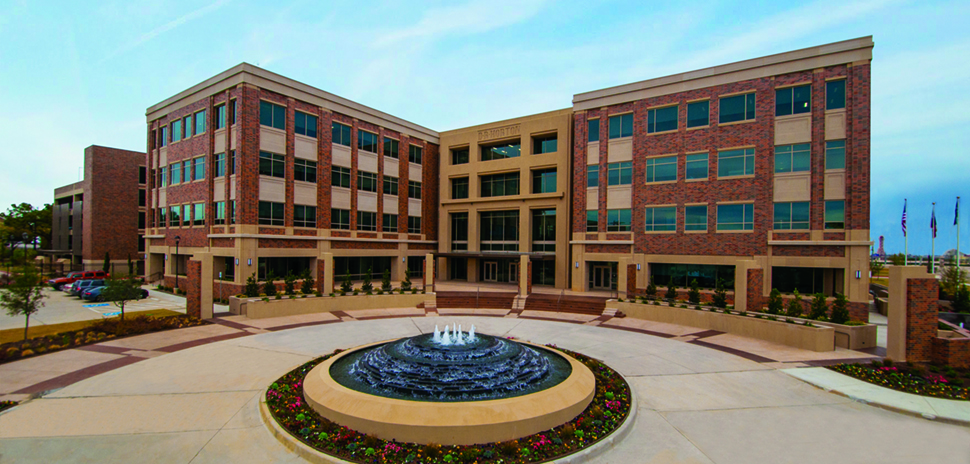
D.R. Horton is the largest homebuilder in the U.S., with massive tract housing developments across the country. They cater to a wide range of buyers, from entry-level homeowners to mid-market customers.
Their strength lies in variety within efficiency. By offering multiple layouts within standardized processes, D.R. Horton provides choice while keeping prices manageable.
Pulte Homes
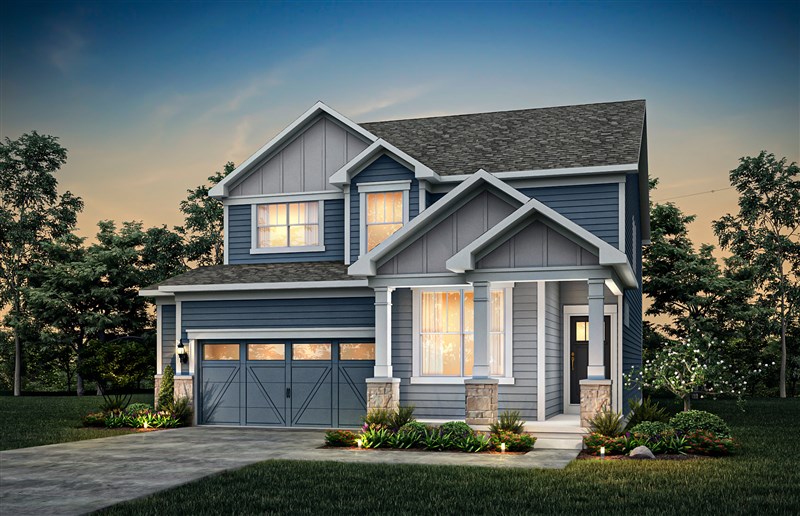
Pulte Homes focuses on building not just houses, but communities. Their developments often include amenities like playgrounds, jogging tracks, and clubhouses.
This approach transforms tract housing from simply providing shelter into fostering a lifestyle. Families are drawn to Pulte neighborhoods because of their emphasis on community living.
KB Home
KB Home offers greater flexibility in interior customization compared to many tract builders. Buyers can select features such as flooring, paint, and kitchen finishes, adding a more personal touch to their homes.
This hybrid approach appeals to those who want affordability but still value individuality in their living space.
How Technology Supports Tract Home Builders
Technology plays a vital role in modern tract home building. Tools like Building Information Modeling (BIM) allow developers to design and visualize entire neighborhoods digitally, reducing errors and speeding up revisions.
Construction management software improves scheduling and resource allocation, further streamlining projects. Additionally, many tract home builders now integrate smart home devices, including security cameras, lighting systems, and climate control.
This integration not only adds value for buyers but also positions tract home builders as forward-thinking developers adapting to the digital age.
Advantages of Tract Home Builders
-
More affordable than custom-built homes
-
Faster construction timelines
-
Integrated community infrastructure
-
Ideal for first-time homebuyers
-
Increasing adoption of modern smart home features
Limitations of Tract Home Builders
While tract home builders offer many benefits, there are limitations to consider. One common drawback is the lack of uniqueness. With many identical or similar houses, neighborhoods can appear monotonous.
Material quality can also vary. Some developers may prioritize cost savings, which could affect durability in the long term.
Finally, customization options are limited compared to custom homes. Buyers looking for highly personalized architecture may find tract housing restrictive.
Use Cases for Tract Home Builders
Affordable Housing for Young Families
Young couples or first-time buyers often need affordable housing solutions. Tract home builders provide cost-effective entry points into the housing market, helping families achieve homeownership faster.
Addressing Urban Sprawl
Tract home builders help reduce congestion in city centers by creating suburban communities. With built-in infrastructure, these neighborhoods become self-sustaining, easing pressure on urban housing markets.
Real Estate Investment Opportunities
For investors, tract homes can be attractive assets. Their lower purchase prices and potential for steady rental demand make them a viable option for long-term property investment.
FAQ
1. Are tract home builders the same as custom home builders?
No. Tract home builders construct mass-produced homes with similar designs, while custom builders design homes specifically tailored to the buyer’s requests.
2. Do tract homes mean lower quality?
Not necessarily. Quality depends on the developer. Many leading tract home builders use reliable materials and construction practices, though some may cut corners to reduce costs.
3. Can tract homes be customized?
Customization is usually limited to interior options such as flooring, paint colors, or kitchen finishes. The main structure and layout typically remain standardized.