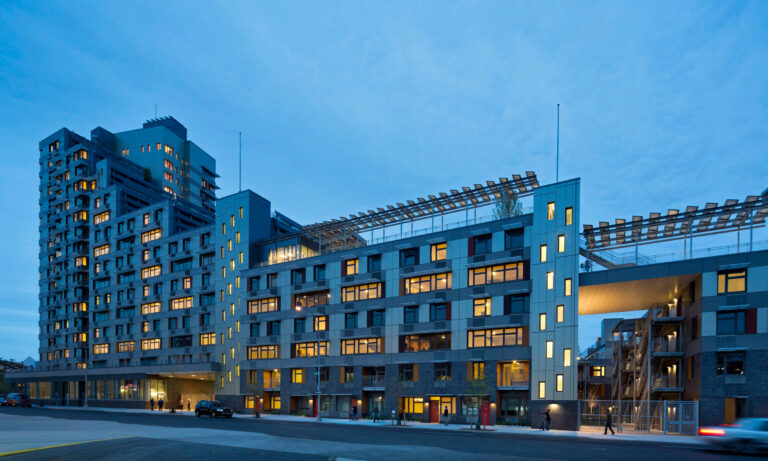
Mercy Housing Lakefront Affordable Housing and Community Development Explained
Mercy Housing Lakefront is one of the largest nonprofit organizations in the Midwest dedicated to creating stable, affordable housing for low-income families, seniors, and individuals at risk of homelessness. Operating as part of the national Mercy Housing network, the Lakefront branch focuses primarily on Chicago and Milwaukee, where urban housing costs often exclude vulnerable populations.
Founded on principles of compassion and equity, Mercy Housing Lakefront provides not only affordable housing units but also supportive services that help residents thrive. These include workforce development, health and wellness programs, and financial literacy training, which all contribute to long-term stability.
Why Mercy Housing Lakefront Matters
Urban areas like Chicago face rising rents, gentrification, and increasing inequality in housing opportunities. Mercy Housing Lakefront addresses these issues head-on by ensuring that low-income residents can access safe, quality housing. Their work is especially vital in preventing homelessness and preserving diverse communities in neighborhoods where affordability is rapidly disappearing.
The organization’s mission goes beyond housing; it fosters community development. Creating environments where families and individuals can flourish ensures that housing is the foundation for healthier, more sustainable lives.
Core Services and Programs of Mercy Housing Lakefront
Affordable Rental Housing
Mercy Housing Lakefront owns and manages thousands of affordable apartments in Chicago and Milwaukee. These properties are designed to be accessible to low- and moderate-income individuals and families.
The apartments aren’t just places to live, they’re communities with support systems built in. Residents often gain access to on-site services that empower them to maintain financial stability and improve their quality of life.
Supportive Services
In addition to housing, Mercy Housing Lakefront integrates supportive programs that address residents’ broader needs. These include health clinics, after-school programs for children, job training initiatives, and financial counseling.
These services recognize that housing alone isn’t enough; stability requires a holistic approach. By providing wraparound services, the organization ensures that residents have the tools they need to thrive.
Real-World Examples of Mercy Housing Lakefront Projects
Example 1: Harold Washington Apartments
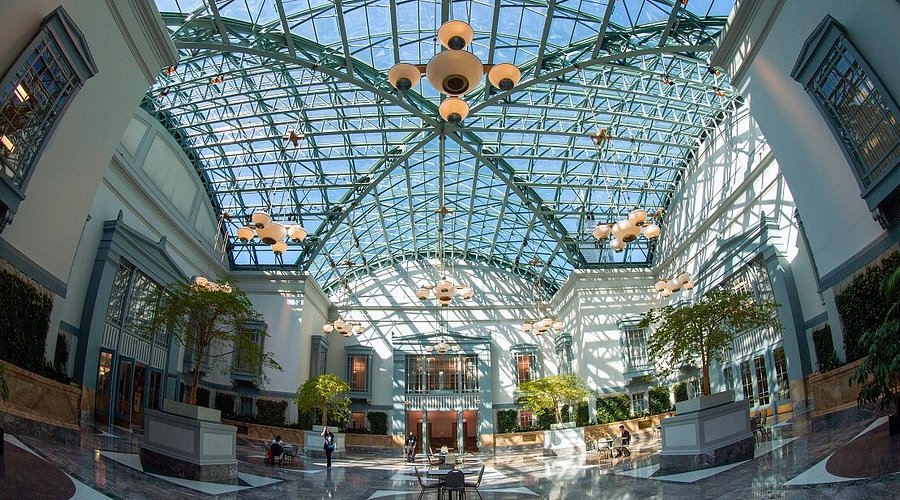
The Harold Washington Apartments in Chicago provide housing for formerly homeless individuals. Beyond offering a safe place to live, the building includes access to counseling, employment support, and healthcare connections.
This project illustrates how Mercy Housing Lakefront combines housing with supportive services, ensuring that residents don’t just have a roof over their heads but also the means to achieve independence.
Example 2: Major Jenkins Apartments
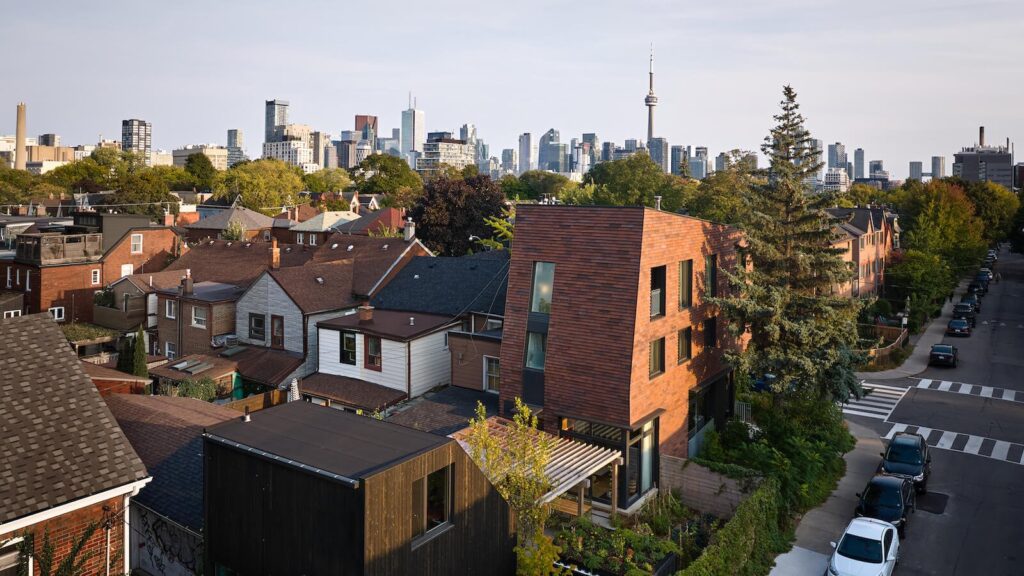
Located in Uptown, Chicago, the Major Jenkins Apartments focus on housing for individuals who have experienced chronic homelessness. The apartments provide affordable living spaces, but the highlight is the comprehensive on-site case management and wellness programs.
This approach allows residents to rebuild their lives in a stable environment, fostering dignity and empowerment.
Example 3: Lofts on Arthington

The Lofts on Arthington project transformed a historic Sears warehouse in Chicago into affordable housing units for families. This development includes amenities like childcare centers, education support, and health services, directly addressing family needs.
By revitalizing a historic building, Mercy Housing Lakefront also contributed to neighborhood renewal while providing much-needed affordable homes.
Example 4: Milwaukee Properties
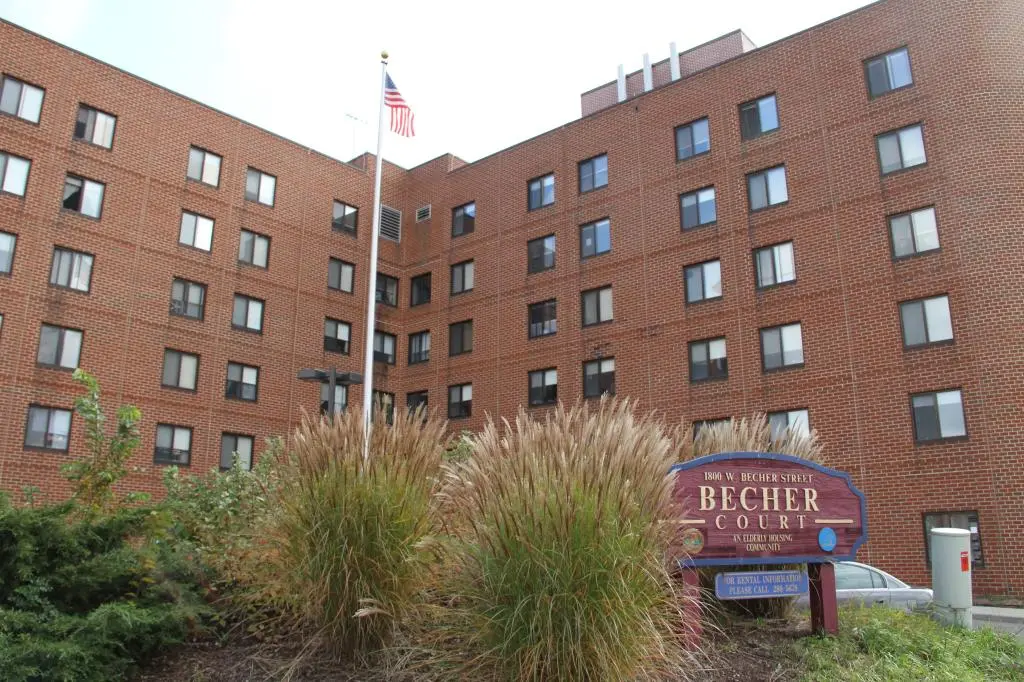
In Milwaukee, Mercy Housing Lakefront has developed multiple properties aimed at serving seniors and families. These apartments are built with accessibility and comfort in mind, ensuring that aging populations can live independently while still having supportive services available.
These properties demonstrate the organization’s regional reach and adaptability in serving different community needs.
Benefits of Mercy Housing Lakefront Programs
Stabilizing Communities
By providing affordable housing, Mercy Housing Lakefront helps stabilize neighborhoods that might otherwise face displacement due to rising rents and gentrification. This ensures diversity and inclusivity remain central to community identity.
Stable housing also reduces the societal costs of homelessness, from emergency healthcare to law enforcement, making it beneficial for both residents and cities.
Promoting Health and Education
Stable housing is linked to better health outcomes, as residents experience less stress and can focus on preventive care. Children living in Mercy Housing Lakefront communities also benefit from consistent schooling, which improves academic success.
The inclusion of health and education programs within housing developments creates a cycle of positive outcomes for future generations.
Practical Use Cases of Mercy Housing Lakefront
Use Case 1: Families Escaping Housing Insecurity
For low-income families struggling with high rent burdens, Mercy Housing Lakefront provides affordable apartments that prevent eviction and instability. This allows parents to focus on work and education rather than the stress of housing insecurity.
Use Case 2: Seniors in Need of Accessible Housing
Many seniors live on fixed incomes that don’t keep up with urban housing costs. Mercy Housing Lakefront offers affordable and accessible senior housing, enabling older adults to age in place with dignity while accessing supportive services when needed.
Use Case 3: Individuals Transitioning from Homelessness
For people who have experienced homelessness, stable housing is the first step toward rebuilding their lives. Mercy Housing Lakefront’s supportive services ensure residents can access healthcare, employment, and counseling, creating pathways to long-term stability.
How Technology Enhances Mercy Housing Lakefront Services
Mercy Housing Lakefront increasingly integrates technology into its service delivery. Online portals help residents manage rent payments, while digital learning tools support financial literacy programs. Telehealth services have also become a vital resource, ensuring residents can access medical care without transportation barriers.
Technology ensures that services remain accessible and efficient, particularly for residents with limited mobility or resources. It also empowers the organization to scale its impact and reach more individuals across Chicago and Milwaukee.
Frequently Asked Questions
What is Mercy Housing Lakefront’s mission?
Mercy Housing Lakefront’s mission is to provide affordable housing and supportive services to low-income families, seniors, and individuals, with a focus on stabilizing communities and preventing homelessness.
Who qualifies for Mercy Housing Lakefront programs?
Eligibility typically depends on income level, housing need, and residency status in areas like Chicago or Milwaukee. Programs are tailored for low- and moderate-income households.
Does Mercy Housing Lakefront only provide housing?
No. In addition to affordable apartments, the organization offers health, education, and employment services to ensure residents can thrive beyond securing a home.