Low Income Buyer Programs Complete Guide to Affordable Housing and Assistance Options
Low-income buyer programs are financial assistance initiatives designed to make homeownership more accessible for families and individuals with limited income. These programs provide support through reduced-interest loans, down payment assistance, grants, and government-backed mortgages that help bridge the affordability gap in housing markets.
Such programs are critical because rising property prices, combined with stagnant wages, often prevent low-income households from entering the real estate market. They not only reduce financial burdens but also open opportunities for wealth-building, stability, and community development.
Why Low-Income Buyer Programs Are Important
Housing affordability has become one of the most pressing challenges in modern economies. Without support, many families remain stuck in rental cycles or face housing insecurity. Low-income buyer programs help break this cycle by providing structured financial pathways to ownership.
These initiatives also stimulate local economies, reduce homelessness risks, and promote stronger neighborhoods. By leveling the playing field, they ensure that homeownership is not a privilege reserved only for high earners but a reachable goal for broader society.
Types of Low-Income Buyer Programs
Government-Backed Mortgage Assistance
One of the most common options includes programs backed by government agencies. For instance, FHA loans offer lower down payment requirements, making them ideal for first-time buyers. Similarly, VA loans provide zero down payment opportunities for veterans and service members, while USDA loans target rural communities with affordable financing options.
These programs are designed to mitigate lenders’ risks, allowing them to approve applicants who might otherwise be excluded due to income or credit challenges.
Local and State Housing Assistance
Beyond federal support, many states and municipalities run programs that provide grants or low-interest loans to cover down payments and closing costs. These localized efforts are often tailored to regional housing challenges, ensuring targeted support where affordability is most critical.
Local programs may also provide educational workshops to prepare buyers for the responsibilities of ownership, enhancing long-term stability and financial literacy.
Real-World Examples of Low-Income Buyer Programs
Example 1: FHA Loan Program
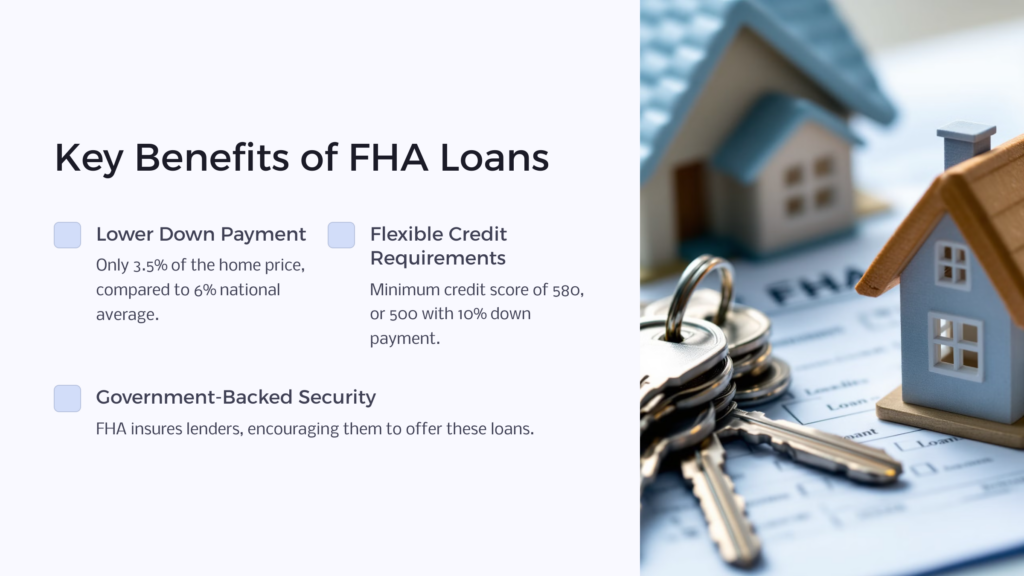
The Federal Housing Administration (FHA) loan program is one of the most widely used tools for low-income buyers. It allows buyers to put down as little as 3.5% and has more lenient credit requirements compared to conventional loans. This program is particularly helpful for younger families or individuals building their credit profile.
The FHA loan’s flexibility ensures more households can access homeownership opportunities without being barred by strict lending standards.
Example 2: USDA Rural Development Loans
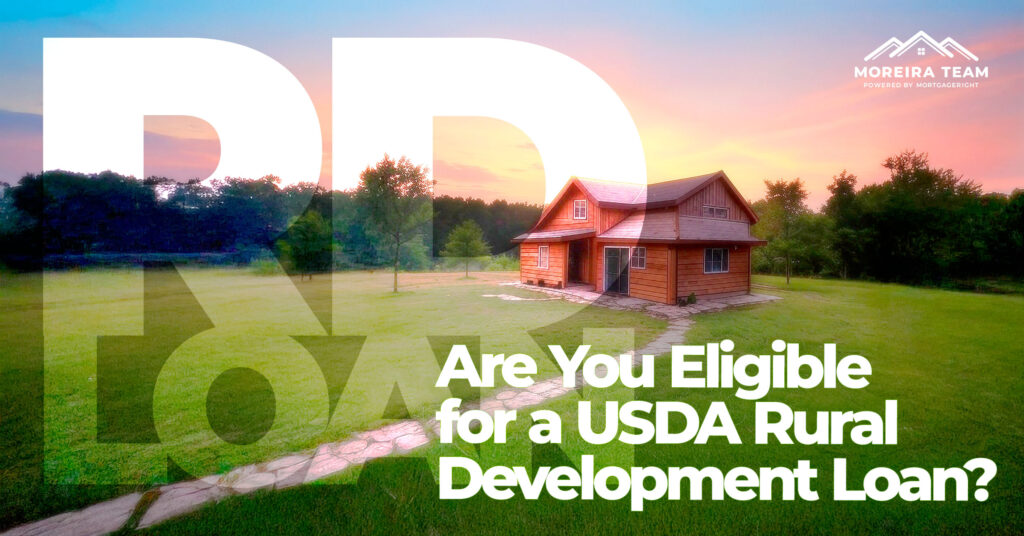
The USDA Rural Development program targets buyers in rural and suburban areas. It offers 100% financing, meaning no down payment is required, making it one of the most affordable programs available. Applicants must meet income eligibility guidelines, but for those who qualify, it provides a strong path to homeownership.
This program supports rural revitalization by encouraging families to settle and invest in underpopulated communities.
Example 3: Habitat for Humanity
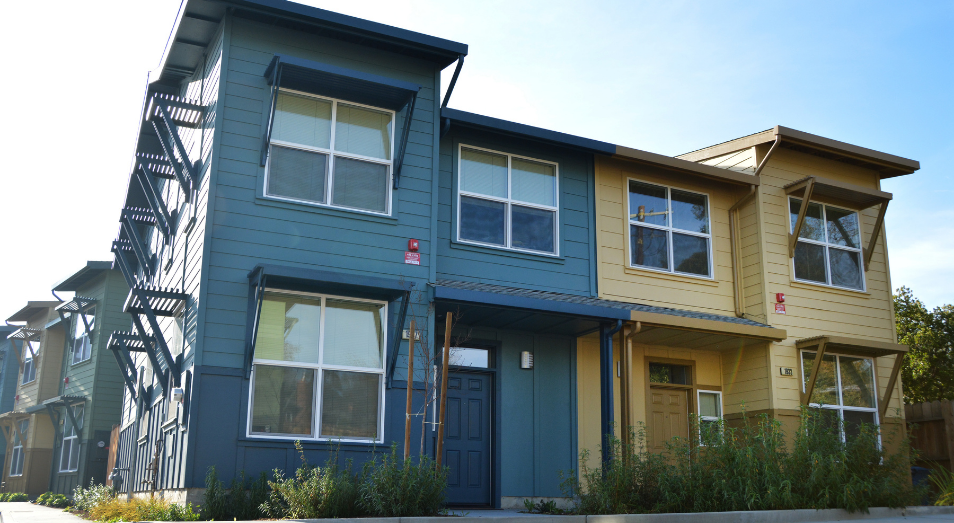
Habitat for Humanity is a nonprofit initiative that partners with families to build and purchase affordable homes. Rather than traditional financing, buyers contribute “sweat equity” by helping construct their homes and others’ homes. In return, they receive access to affordable mortgage terms designed to match their income levels.
This model emphasizes community, affordability, and dignity, ensuring even the lowest-income families can achieve housing security.
Example 4: State-Specific Assistance Programs
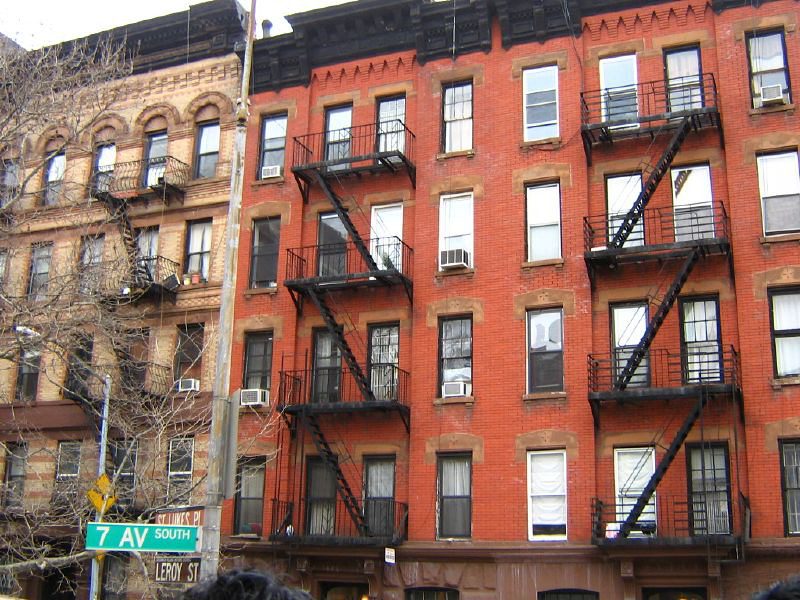
Many states, like California and New York, operate first-time homebuyer grants or loan assistance programs. These can include forgivable loans for down payments, interest rate reductions, and property tax relief. The flexibility of these programs helps adapt assistance to unique regional housing markets.
By addressing local challenges, state-level programs ensure broader inclusion in the path to homeownership.
Benefits of Low-Income Buyer Programs
Making Homeownership Accessible
One of the main advantages is that these programs reduce the upfront costs associated with buying a home. Down payments, closing costs, and credit hurdles often block access for low-income families. Assistance programs help overcome these barriers, enabling more households to transition from renting to owning.
Ownership fosters financial stability, allowing families to build equity, gain a sense of security, and create generational wealth over time.
Reducing Housing Insecurity
By making ownership attainable, these programs also reduce dependence on unstable rental markets. Homeowners are less likely to face sudden displacement due to rent hikes or landlord changes. This stability directly benefits children’s education, family well-being, and long-term planning.
Practical Use Cases of Low-Income Buyer Programs
Use Case 1: First-Time Buyers with Limited Savings
Many younger households find it difficult to save for a large down payment while covering living expenses. Programs like FHA loans allow them to purchase homes sooner, avoiding years of delay caused by saving struggles.
This accelerates entry into the housing market, ensuring they begin building equity earlier.
Use Case 2: Rural Families Seeking Stability
Families living in rural areas often face limited rental options or declining housing conditions. USDA loans provide an opportunity to purchase modern, reliable housing without a down payment. This not only improves their quality of life but also supports rural community development.
Use Case 3: Low-Income Families Escaping Rental Cycles
For families trapped in high-rent markets, buyer programs offer a chance to redirect monthly payments toward building ownership instead of enriching landlords. Over time, this transition creates stability and wealth potential.
Frequently Asked Questions
What are low-income buyer programs?
Low-income buyer programs are assistance initiatives, such as government-backed loans or nonprofit partnerships, designed to make homeownership accessible for individuals and families with limited income.
Who qualifies for these programs?
Eligibility varies by program but typically depends on factors like income, credit score, location, and whether the buyer is a first-time homeowner. Many programs are designed for low- to moderate-income households.
Do these programs cover all home costs?
While they often reduce down payments, provide grants, or lower interest rates, buyers are still responsible for maintaining the property, paying property taxes, and covering other ongoing homeownership expenses.