HPD Senior Housing Complete Guide, Benefits, and Real-Life Examples
HPD senior housing refers to affordable housing initiatives created by the New York City Department of Housing Preservation and Development (HPD) that are designed specifically for older adults. These programs aim to provide seniors with safe, comfortable, and affordable places to live, while also supporting independence and community engagement.
As the senior population grows, the demand for housing that meets the unique needs of aging individuals continues to increase. HPD senior housing bridges this gap by offering subsidized rental options, supportive housing, and partnerships with nonprofit organizations that focus on elder care. These housing solutions go beyond affordability; they incorporate accessibility features, social services, and community spaces to enhance quality of life.
How HPD Senior Housing Works
HPD collaborates with developers, nonprofit organizations, and government programs to create housing opportunities tailored for seniors. These developments often involve mixed-use buildings with community centers, healthcare access, and social programming to support healthy aging.
The process typically includes applying through affordable housing lotteries or designated programs managed by HPD. The eligibility is usually based on age, income level, and residency status. Seniors benefit from reduced rent, which is often tied to a percentage of their income, ensuring affordability even for those on fixed retirement funds.
Key Features of HPD Senior Housing
Affordability and Accessibility
One of the most important features of HPD senior housing is affordability. Rents are structured to align with seniors’ financial realities. Additionally, accessibility is a priority, with features like ramps, elevators, grab bars, and wider hallways to support mobility needs.
Supportive Services
Many HPD senior housing projects include supportive services such as on-site healthcare clinics, wellness programs, and community events. These services foster a sense of belonging and reduce the risks of isolation, which can be a major issue for elderly residents.
Common Uses of HPD Senior Housing
Independent Living Options
For seniors who wish to maintain independence, HPD housing offers apartments equipped with accessibility features while still allowing them to live autonomously.
Community Integration
HPD senior housing often includes community rooms, social events, and partnerships with local organizations, encouraging residents to remain socially active and connected to their neighborhood.
Health and Safety Enhancements
By incorporating safety features and on-site healthcare access, HPD housing provides peace of mind for both seniors and their families. These enhancements ensure that seniors can age in place with dignity.
Example 1: Affordable Senior Housing in the Bronx
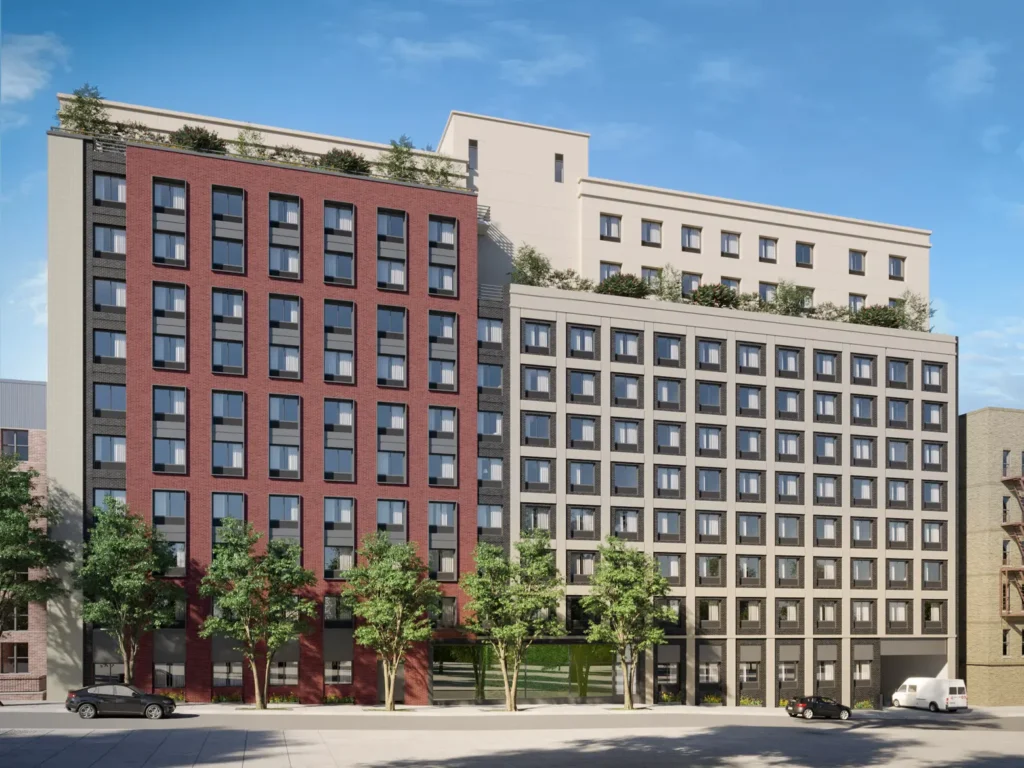
An HPD-sponsored development in the Bronx created 120 affordable units for seniors. Each apartment was designed with universal design principles, including accessible bathrooms and kitchens. The building also included a community space for events, providing residents with opportunities to socialize. This project demonstrated how HPD addresses both affordability and quality of life.
Example 2: Brooklyn Mixed-Use Senior Housing
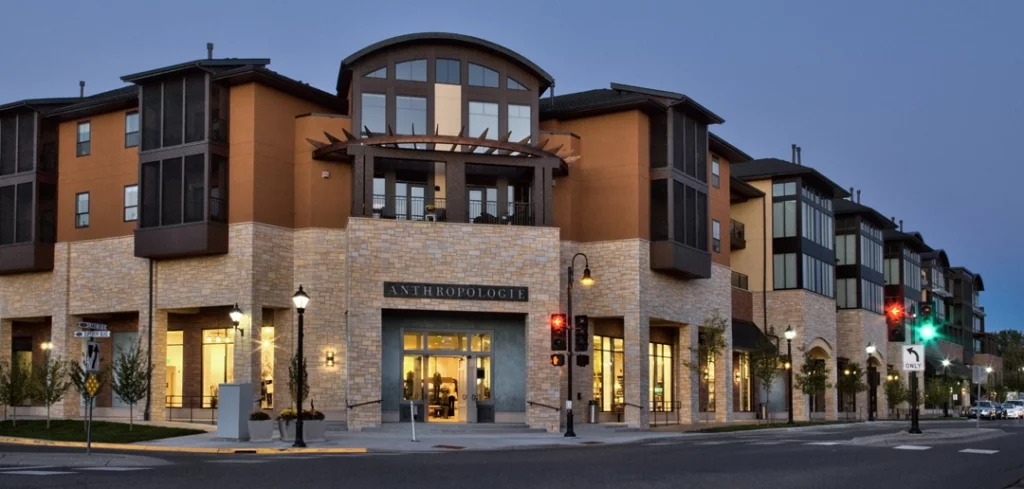
In Brooklyn, a mixed-use project combined affordable senior apartments with a healthcare center on the first floor. This integration allowed residents easy access to medical services while still enjoying the privacy of independent living. The development emphasized how HPD’s approach improves both convenience and well-being.
Example 3: Queens Senior Housing with Outdoor Spaces
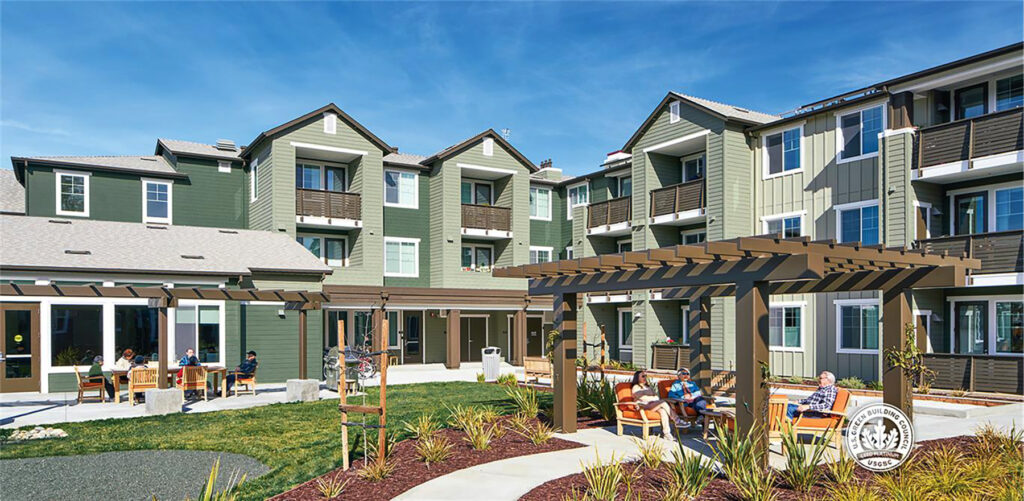
A Queens development featured not only affordable units but also a landscaped community garden. Seniors were encouraged to engage in gardening activities, promoting physical activity and social interaction. This example highlights how HPD incorporates holistic wellness into senior housing projects.
Example 4: Community Programming in Harlem
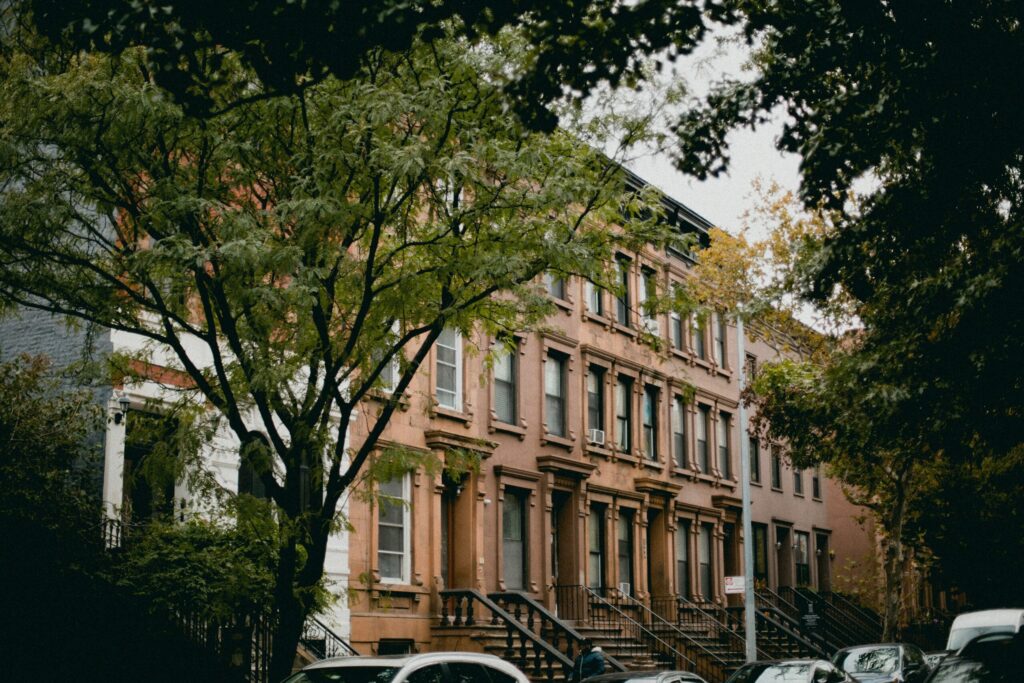
In Harlem, HPD partnered with nonprofits to deliver housing alongside cultural and educational programming for seniors. Residents enjoyed classes, fitness sessions, and community dinners. This example illustrates the importance of addressing emotional and social needs in addition to providing shelter.
Example 5: Technology Integration in Manhattan Senior Housing
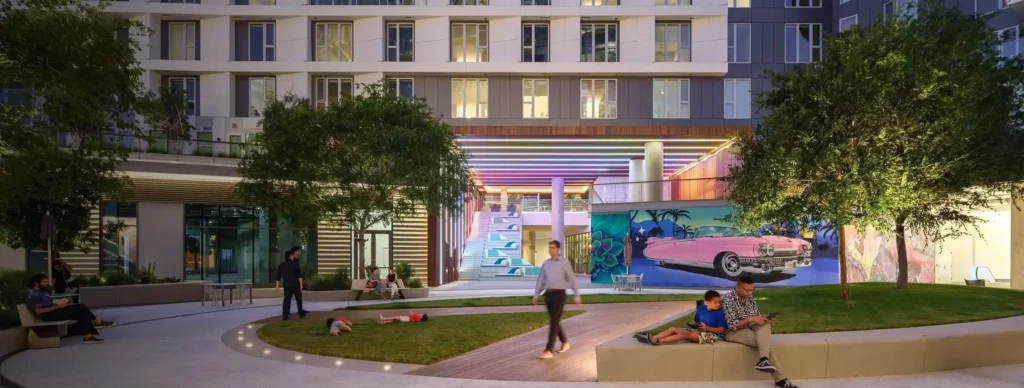
A Manhattan project piloted smart home technology in HPD senior housing units. Residents used voice-activated assistants, medical alert systems, and automated lighting to improve safety and independence. This example shows how technology can enhance senior living in affordable housing programs.
Benefits of Using Technology in HPD Senior Housing
Improved Safety
Smart sensors, fall detection devices, and emergency alert systems provide added layers of safety for seniors, ensuring quick responses in emergencies.
Enhanced Communication
Technology enables seniors to stay connected with family and healthcare providers through video calls, online portals, and telehealth services.
Efficient Building Management
Property managers use digital tools to monitor energy consumption, maintenance needs, and tenant services. This not only reduces costs but also ensures smoother day-to-day operations.
Practical Use Cases of HPD Senior Housing
Low-Income Seniors
For seniors on fixed retirement incomes, HPD senior housing provides affordable rental opportunities that allow them to remain in New York without being burdened by high living costs.
Aging in Place
Seniors who wish to avoid nursing homes or assisted living facilities can take advantage of HPD housing to maintain independence while still having access to supportive services.
Family Peace of Mind
HPD senior housing reassures families that their elderly loved ones live in safe, supportive environments. This alleviates stress for adult children who may otherwise struggle to care for aging parents.
Conclusion
HPD senior housing is more than just affordable apartments; it is a lifeline for older adults in New York City. By focusing on affordability, accessibility, and community, these programs address the multifaceted needs of seniors. Real-world projects across the Bronx, Brooklyn, Queens, Harlem, and Manhattan demonstrate how HPD continues to innovate in senior housing.
With technology integration and supportive services, HPD senior housing enables seniors to live independently, safely, and with dignity. For families, communities, and society at large, these initiatives ensure that aging populations receive the respect and care they deserve.
Frequently Asked Questions
1. Who is eligible for HPD senior housing?
Eligibility typically depends on age, income level, and residency status. Most programs are designed for older adults on fixed or limited incomes.
2. What services are included in HPD senior housing?
Services may include on-site healthcare, wellness programs, accessibility features, and community activities to support social and physical health.
3. How does technology benefit HPD senior housing residents?
Technology enhances safety, communication, and independence by offering tools such as emergency alerts, telehealth access, and smart home features.