HPD Low Income Housing Complete Guide, Programs, Benefits, and Real-World Examples
Finding affordable housing in New York City can be a challenge for many residents. The New York City Department of Housing Preservation and Development (HPD) created a range of programs to address this issue, especially for low-income households. HPD low-income housing provides opportunities for families and individuals who earn below the city’s median income to secure safe, stable, and affordable places to live.
The initiative not only addresses the immediate need for affordable homes but also supports the city’s long-term goal of building inclusive and diverse communities. With housing costs rising steadily, HPD’s low-income housing has become one of the most important lifelines for residents across the five boroughs.
What is HPD Low Income Housing?
HPD low-income housing refers to a series of programs and developments supported by HPD that aim to provide affordable homes to households with limited incomes. These homes are priced below market rates and are accessible through lotteries or specific housing initiatives.
The program works by partnering with private developers, nonprofit organizations, and financial institutions to create affordable rental apartments and ownership opportunities. Through this collaboration, HPD ensures that affordability remains a key part of New York City’s housing landscape, preventing displacement and fostering neighborhood stability.
How HPD Low-Income Housing Programs Work
Application Process
The main entry point for HPD low-income housing is the NYC Housing Connect portal. Here, applicants can find listings of affordable housing lotteries. To qualify, applicants must meet eligibility requirements, typically based on household income, size, and sometimes credit checks.
The process is competitive. Once applications are submitted, a random lottery determines which applicants move forward. Selected candidates must provide documents verifying their eligibility. If approved, they are offered units with rents proportionate to their income, ensuring long-term affordability.
Partnerships and Funding
HPD does not operate in isolation. The success of low-income housing relies on collaboration with private developers and government entities. Incentives such as tax breaks, zoning allowances, and low-interest loans encourage developers to include affordable units in their projects. This blended approach helps maximize the number of affordable apartments while still promoting urban growth and investment.
Benefits of HPD Low-Income Housing
Financial Relief for Residents
HPD low-income housing ensures families spend a manageable portion of their income on rent. This frees up financial resources for essentials like healthcare, childcare, education, and savings. By reducing the housing burden, families gain stability and an improved quality of life.
Building Stronger, Inclusive Communities
Affordable housing strengthens communities by preventing displacement and maintaining diversity. Long-term residents can remain in their neighborhoods, fostering connections, cultural exchange, and neighborhood pride. HPD housing also integrates social services and amenities, making neighborhoods more livable.
Benefits of Technology in the Process
Technology has made HPD’s programs more efficient and accessible. Through the Housing Connect portal, applicants can view available housing, apply online, and track their applications without needing to navigate complex paperwork. This digital integration ensures transparency, reduces processing delays, and gives applicants confidence in the system.
Real-World Examples of HPD Low-Income Housing Projects
Example 1: Via Verde, The Bronx
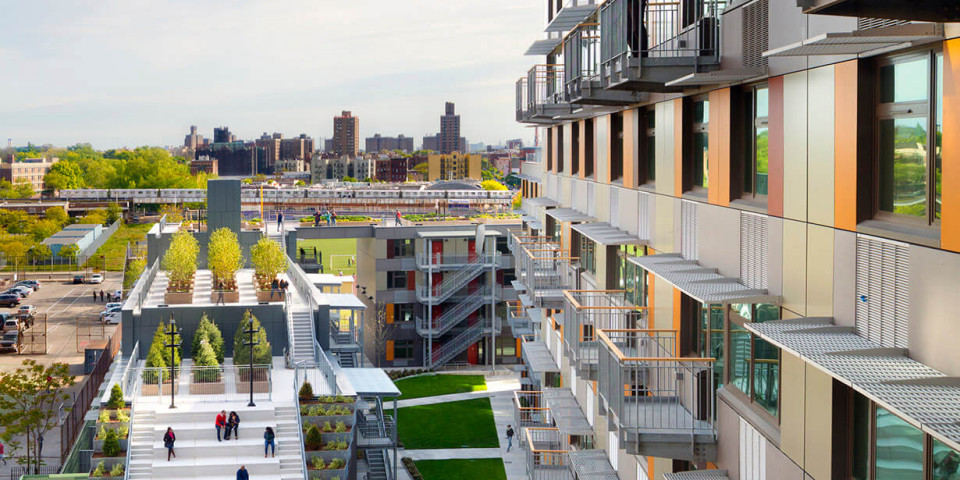
Via Verde is a landmark project supported by HPD in the South Bronx. It provides affordable units for low- and moderate-income families while incorporating green design elements like rooftop gardens and energy-efficient systems.
This development demonstrates how affordable housing can also prioritize sustainability and resident well-being. Families benefit not only from affordability but also from access to healthier living environments.
Example 2: Hunters Point South, Queens
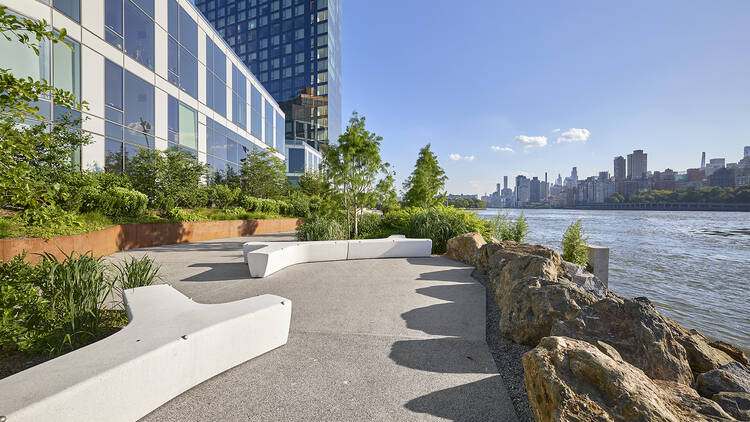
Hunters Point South is one of the city’s largest affordable housing projects. It provides thousands of affordable rental units along the Queens waterfront, targeted toward low- to middle-income families.
What makes this project stand out is its integration with schools, retail shops, and public parks. It shows how HPD’s housing projects are not just about providing shelter but also creating complete communities with social and economic opportunities.
Example 3: Essex Crossing, Lower East Side
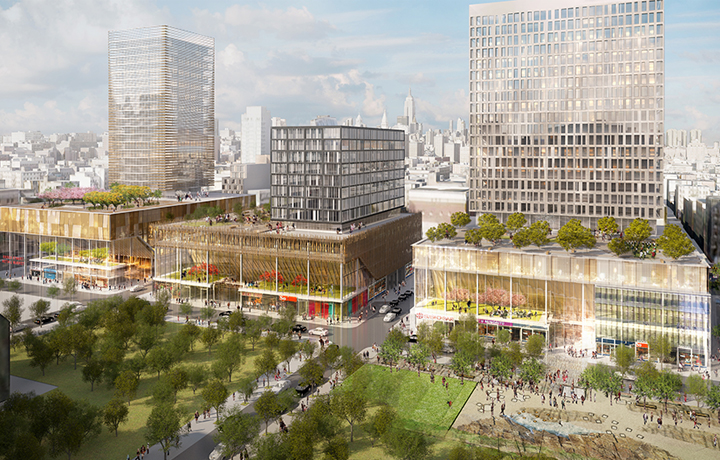
Essex Crossing includes affordable housing units alongside retail stores, healthcare facilities, and cultural spaces. This HPD-backed development revitalizes a key part of Manhattan while ensuring that low-income families have access to affordable homes in a central location.
The project demonstrates how HPD balances redevelopment with affordability, ensuring that revitalization projects do not push out long-term residents.
Example 4: The Arverne View, Queens
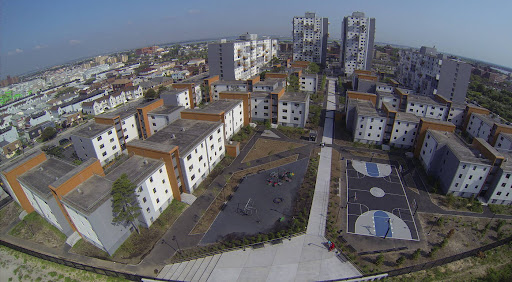
Arverne View was rehabilitated with HPD’s involvement to preserve affordability for existing residents. It included renovations, modern amenities, and energy upgrades, ensuring that the apartments remained safe and comfortable.
This case highlights HPD’s dual focus on creating new housing and preserving existing affordable units, preventing them from converting to market-rate housing.
Example 5: The Bronxchester Renewal Plan
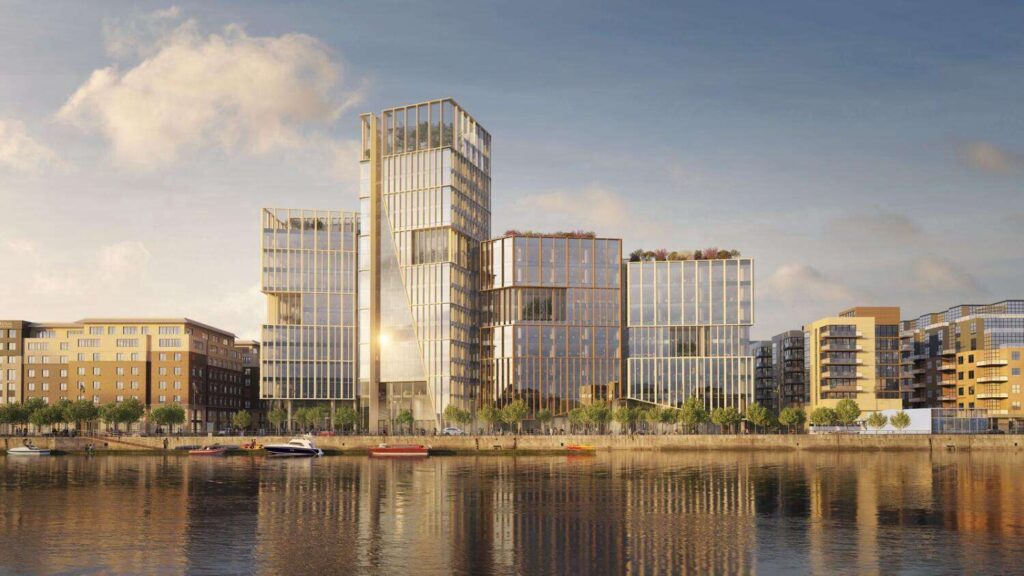
The Bronxchester Renewal Plan redeveloped underused land in the South Bronx into affordable housing and community facilities. The project addressed blight while improving the overall quality of life in the area.
It is an example of how HPD uses urban planning not only to provide housing but also to build stronger social and economic foundations for neighborhoods.
Practical Use Cases of HPD Low-Income Housing
Supporting Vulnerable Families
For many low-income families, market rents in New York City are unaffordable. HPD housing helps prevent homelessness and provides long-term security for these households.
Helping Essential Workers
Many essential workers, such as teachers, nurses, and emergency responders, earn modest salaries. HPD low-income housing enables them to live within the city they serve instead of being forced to move far away due to high costs.
Mitigating the Effects of Gentrification
As gentrification spreads across neighborhoods, rising rents push out long-term residents. HPD affordable housing programs provide stability, ensuring that families are not displaced and that neighborhoods remain diverse and accessible.
Frequently Asked Questions
1. Who is eligible for HPD low-income housing?
Eligibility depends on income, family size, and other criteria. Each housing lottery lists specific requirements, typically targeting households earning below the median income.
2. How long does the application process take?
The timeline varies. After applying, it may take several months for results. Selected applicants undergo further review to verify documents before being approved for a unit.
3. Is HPD’s low-income housing permanent?
Most affordable units are preserved for decades under agreements with developers. This ensures long-term affordability, giving families security and stability.