HPD Homes Complete Guide to Affordable Housing Programs
HPD homes refer to housing developments created or managed through the New York City Department of Housing Preservation and Development (HPD). These homes are designed to provide affordable housing opportunities for residents across different income levels. By regulating rents, setting eligibility criteria, and incentivizing developers, HPD homes contribute to a more balanced housing market in one of the most expensive cities in the world.
Understanding HPD homes is crucial for tenants, policymakers, and community organizations because these programs directly influence housing stability. They are part of broader efforts to tackle the housing affordability crisis while promoting safe and sustainable living environments.
Why HPD Homes Matter in Urban Housing
The housing affordability gap continues to grow, particularly in metropolitan areas like New York City. Without programs such as HPD homes, many families would face displacement or struggle to secure adequate housing.
HPD homes ensure that lower- and middle-income residents are not excluded from city life. They also provide security against rising rents and gentrification pressures that often force families out of neighborhoods they have lived in for decades.
Key Features of HPD Homes
Income-Based Eligibility
One of the central features of HPD homes is that they are targeted at residents within specific income brackets. The eligibility criteria are based on the Area Median Income (AMI). Depending on the property, tenants may need to fall within low, moderate, or middle-income categories to qualify.
This ensures a wide spectrum of residents, ranging from essential workers to retirees, can benefit from affordable housing solutions.
Long-Term Affordability
HPD homes are not just temporary solutions. Many programs ensure that the affordability is locked in for decades, protecting residents from sudden rent spikes. This long-term approach helps stabilize communities, allowing families to plan for the future without the constant fear of displacement.
Documentation and Process for HPD Homes
Proof of Income and Identity
Applicants must typically provide income verification documents such as tax returns, pay stubs, and bank statements. Alongside income documentation, proof of identity like passports, driver’s licenses, or Social Security cards is essential.
This process ensures transparency and fairness, confirming that the housing is directed toward those who meet the eligibility standards.
Application and Lottery Systems
Many HPD homes are distributed through a lottery system. Interested applicants submit their details and documentation, and successful candidates are selected randomly. This system prevents favoritism and allows thousands of applicants equal opportunity to secure affordable housing.
Real-World Examples of HPD Homes
Example 1: Affordable Family Housing in the Bronx
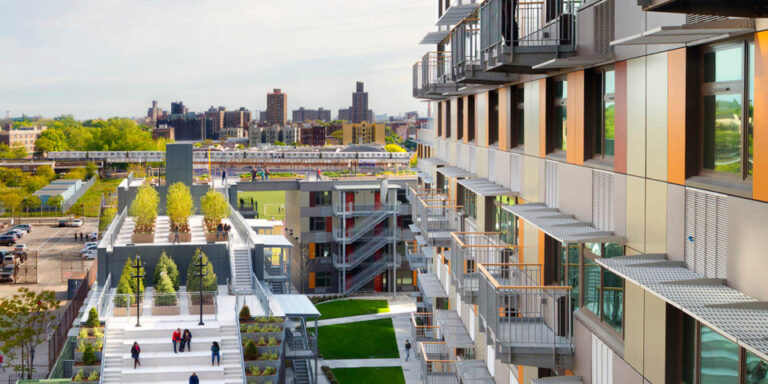
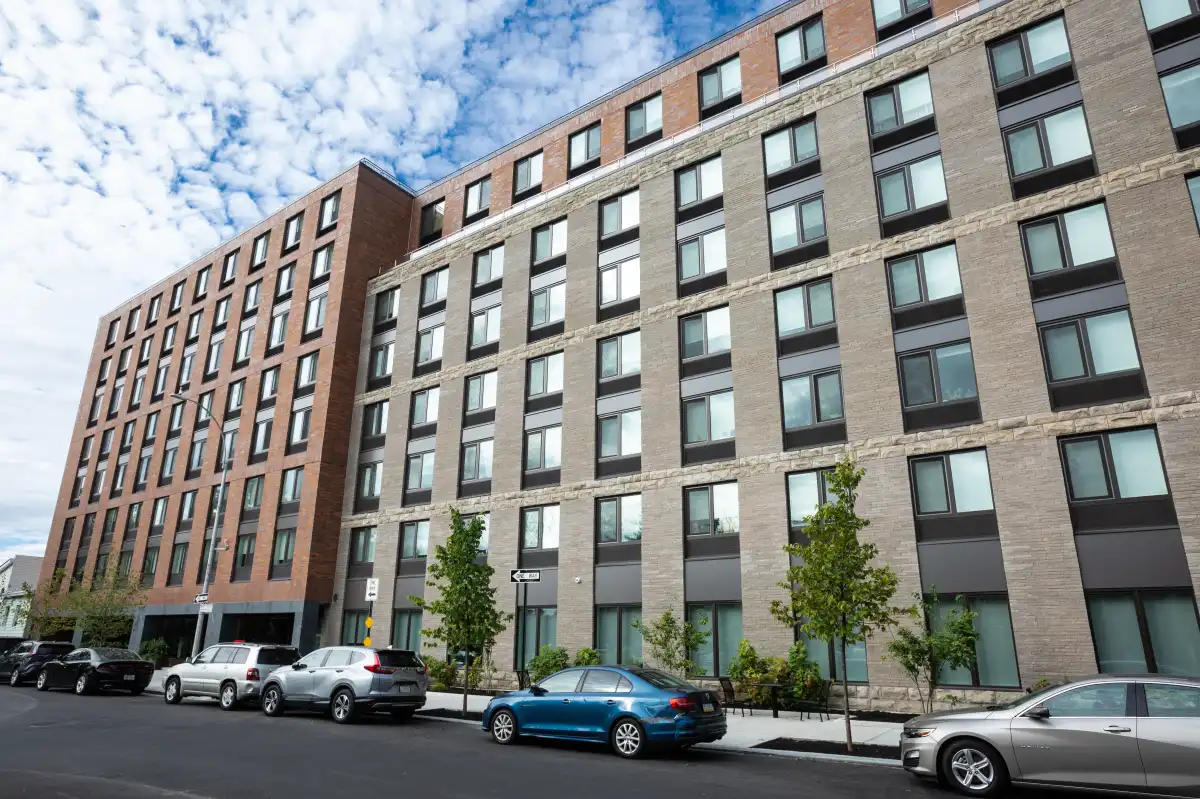
A newly developed HPD housing complex in the Bronx provides two- and three-bedroom units at rates well below market value. Families who qualify based on AMI thresholds can rent safe, modern apartments without being priced out of their neighborhoods.
This project demonstrates how HPD homes directly support working families who otherwise face skyrocketing rent burdens.
Example 2: Senior Housing in Brooklyn
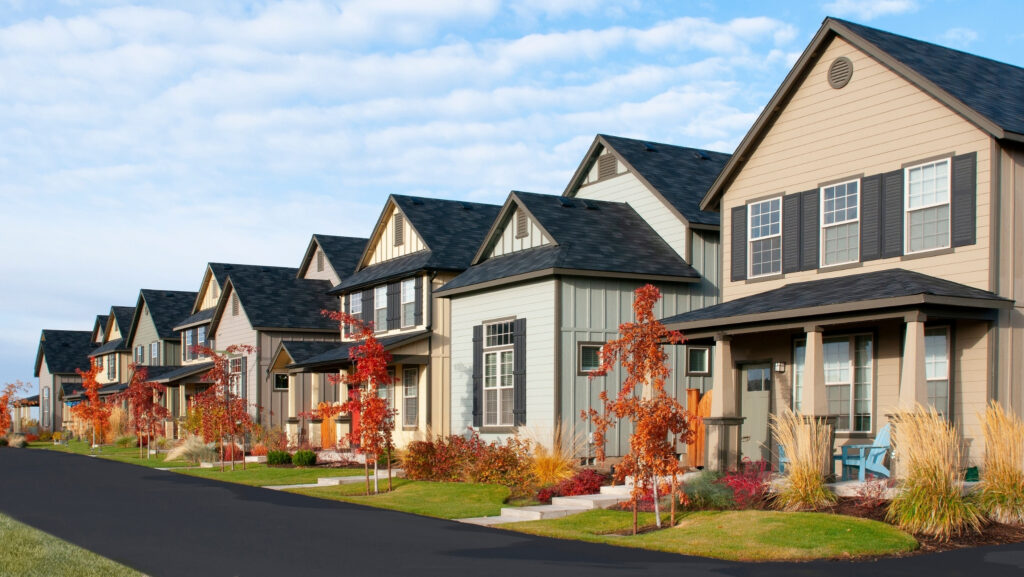
HPD collaborated with local nonprofits to create affordable housing specifically for seniors in Brooklyn. These apartments are designed with accessibility features, community gathering spaces, and long-term affordability protections.
The project not only gives seniors financial relief but also fosters a sense of community and reduces social isolation.
Example 3: Mixed-Income Development in Queens
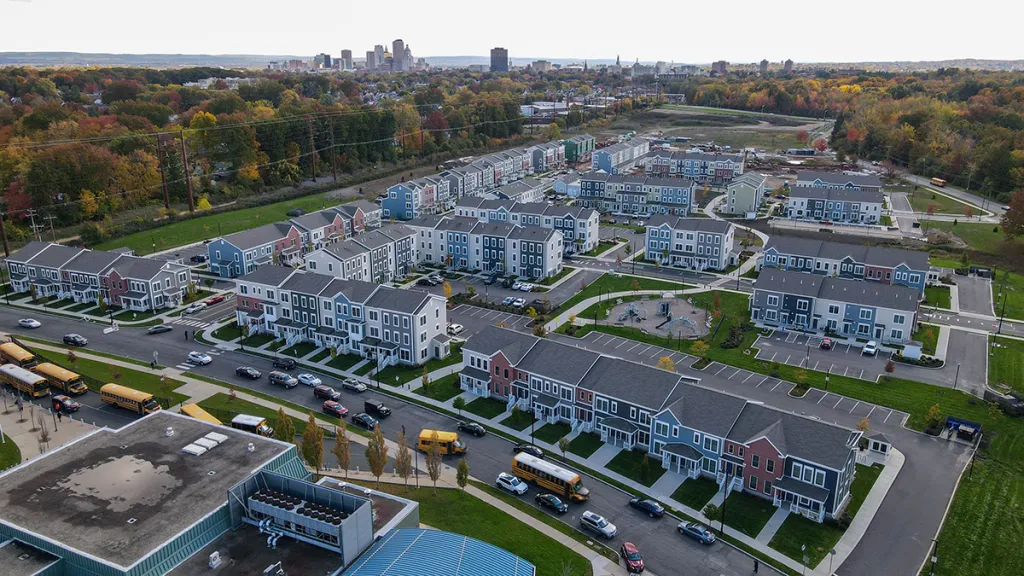
An HPD-backed development in Queens includes both affordable and market-rate units. This mixed-income model promotes economic diversity, ensuring that residents from different backgrounds can live together.
This approach helps combat the concentration of poverty while maintaining inclusivity in desirable neighborhoods.
Example 4: Sustainable Housing in Manhattan
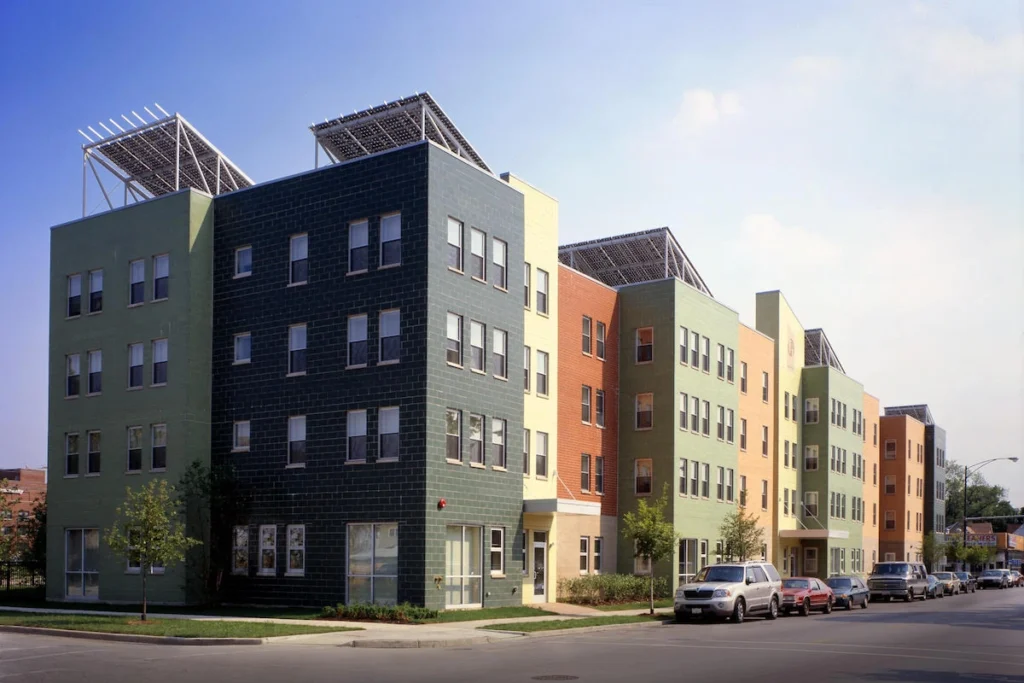
A Manhattan HPD project incorporated green building technologies such as energy-efficient heating and solar panels. By merging affordability with sustainability, the project reduces utility costs for residents and promotes environmentally responsible living.
This example shows how HPD homes adapt to modern housing needs while keeping costs manageable.
Benefits of HPD Homes
Financial Relief for Residents
HPD homes provide direct financial benefits by setting rents below market rates. This allows families to allocate money toward education, healthcare, and savings rather than being consumed entirely by housing costs.
Stability and Security
For many tenants, HPD homes are more than just affordable housing; they offer long-term stability. With affordability agreements often lasting decades, residents can feel secure in their communities.
Community Building
Affordable housing developments foster stronger neighborhoods. Families remain rooted in their communities, contributing to local businesses, schools, and cultural life.
Benefits of Using Technology in HPD Programs
Streamlined Applications
Modern technology enables applicants to apply for HPD homes online, reducing paperwork and making the process more accessible. This is especially beneficial for applicants with limited mobility or busy work schedules.
Data-Driven Policy Making
Technology allows housing authorities to track demographic trends, monitor affordability, and predict future needs. By analyzing this data, policymakers can design more effective housing programs.
Transparency and Accountability
Digital platforms help improve transparency in lotteries and applications. By minimizing human error and bias, technology ensures fairness in distributing affordable homes.
Use Cases: Why HPD Homes Are Useful in Real Life
Supporting Essential Workers
Teachers, nurses, and emergency responders often earn incomes above the poverty line but still struggle with high rents. HPD homes provide these essential workers with affordable housing close to their workplaces.
Preventing Homelessness
For families at risk of eviction, HPD homes act as a safety net. By offering long-term affordable leases, the program reduces the risk of homelessness and promotes stability.
Preserving Neighborhood Diversity
HPD homes prevent communities from becoming exclusive to high-income residents. By ensuring affordability, neighborhoods remain socially and economically diverse, enriching city culture.
Frequently Asked Questions
1. Who qualifies for HPD homes?
Eligibility is based on income relative to the Area Median Income (AMI). Applicants must also provide proof of identity and may need to apply through lottery systems.
2. How long do affordability protections last in HPD homes?
Many HPD housing projects have affordability agreements lasting 30 years or more, ensuring long-term protection for tenants.
3. Can middle-income families apply for HPD homes?
Yes. Depending on the development, some HPD homes are reserved for middle-income applicants, not just low-income households.