Community Land Trusts Comprehensive Guide to Affordable and Sustainable Housing
Community land trusts (CLTs) are nonprofit organizations that acquire and hold land for the long-term benefit of a community. They are designed to ensure permanent affordability of housing, prevent displacement, and provide stability in areas facing rising property costs. By separating land ownership from housing ownership, CLTs make it possible for families and individuals to buy homes at lower prices while the trust retains ownership of the land.
The concept of community land trusts emerged in the United States during the civil rights movement of the 1960s, with roots in rural Georgia. Since then, CLTs have expanded into urban, suburban, and rural areas worldwide. They offer a powerful model for addressing housing crises, promoting equity, and giving communities greater control over development.
Understanding How Community Land Trusts Work
The Basic Structure of CLTs
At the core of a community land trust, the land is owned collectively by a nonprofit trust, while homes or buildings on the land are owned or leased by individuals. Homeowners purchase homes at below-market prices, while signing a long-term ground lease, usually 99 years, with the trust. This lease ensures security and long-term affordability while preventing speculative resale.
When a homeowner decides to sell, the resale price is restricted by a formula set by the trust. This formula ensures that the home remains affordable for future buyers while allowing the current owner to build equity. The cycle prevents rapid price inflation and guarantees ongoing affordability.
The Role of Community Governance
Community land trusts are typically governed by a tripartite board structure. The board often includes residents of the CLT properties, community members who live in the surrounding area, and public interest representatives. This model ensures that decisions reflect the balance of homeowner needs, broader community interests, and policy considerations.
The governance structure is essential to keeping CLTs accountable to their mission. It prevents the trust from being co-opted by external developers or shifting priorities, thereby protecting the long-term community benefit.
Benefits of Community Land Trusts
Long-Term Affordability
One of the biggest advantages of CLTs is their ability to maintain permanent affordability. Unlike traditional affordable housing programs that expire after a few decades, the resale restrictions in CLTs guarantee that housing remains accessible for generations.
This long-term stability helps families remain rooted in their communities without the fear of being displaced due to market pressures. It also creates intergenerational opportunities, where affordable housing access doesn’t vanish after one cycle of ownership.
Building Community Wealth
CLTs balance the benefits of individual homeownership with community stewardship. Homeowners in CLTs still gain equity through mortgage payments and improvements, but speculative profits are limited. This approach prevents rapid gentrification while still helping families build modest wealth.
At the same time, the community retains collective ownership of the land. This ensures that rising land values benefit the neighborhood as a whole rather than private speculators, reinforcing a sense of shared responsibility and empowerment.
Leveraging Technology for Modern CLTs
Technology plays an increasingly important role in the success of community land trusts. Geographic information systems (GIS) help identify suitable parcels of land, while digital platforms streamline applications, leases, and governance communication.
Additionally, energy-efficient technologies and sustainable building designs integrated into CLT homes lower long-term operating costs for residents. From solar panels to smart thermostats, these innovations enhance affordability by reducing utility bills while supporting environmental goals.
Real-World Examples of Community Land Trusts
Example 1: Dudley Street Neighborhood Initiative (Boston, Massachusetts)
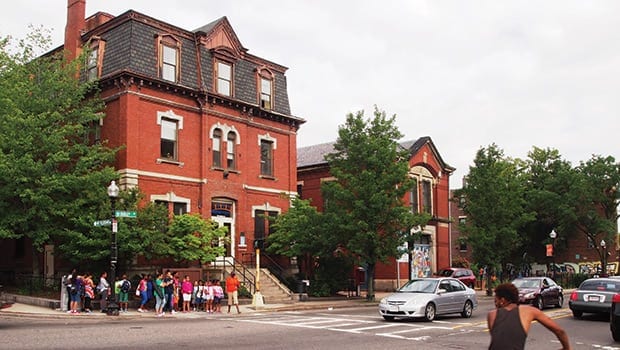
The Dudley Street Neighborhood Initiative (DSNI) in Boston is one of the most influential examples of a community land trust in the U.S. Established in the 1980s, DSNI took control of vacant and abandoned land in the Roxbury and North Dorchester neighborhoods. By establishing a CLT, DSNI revitalized the area with affordable housing, parks, and community facilities.
The significance of DSNI lies in its ability to demonstrate how grassroots organizing and land trusts can combat disinvestment and gentrification. Today, it remains a model for other cities seeking to empower residents through collective land stewardship.
Example 2: Champlain Housing Trust (Burlington, Vermont)
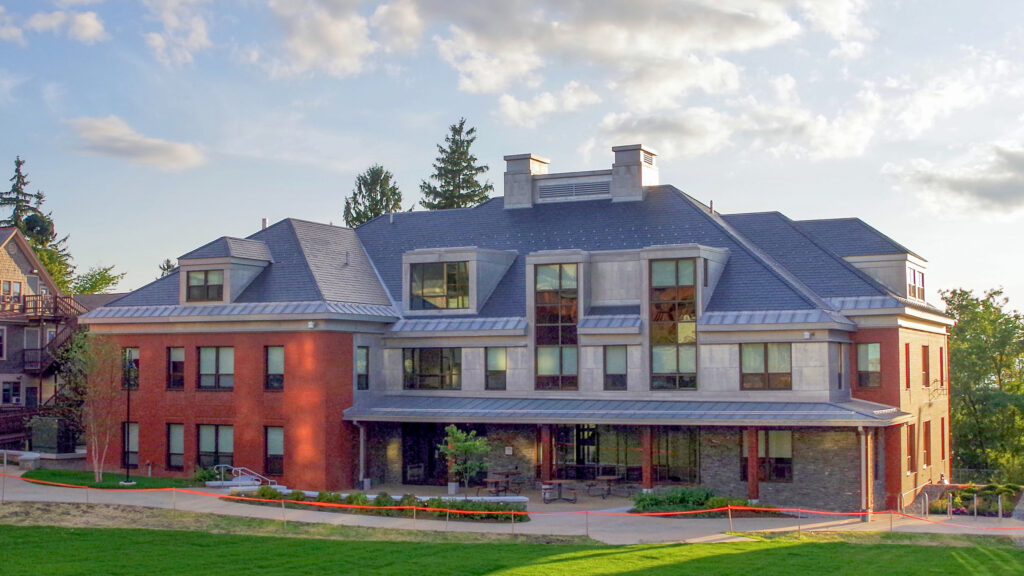
The Champlain Housing Trust (CHT) is the largest community land trust in the United States. Founded in 1984 with strong support from then-Mayor Bernie Sanders, CHT now serves thousands of residents across northwestern Vermont. It provides affordable rental units, homeownership opportunities, and shared equity housing.
What makes Champlain Housing Trust especially relevant is its scale and sustainability. It shows that CLTs are not limited to small communities but can grow into regional organizations that serve thousands of households, proving the model’s scalability.
Example 3: San Francisco Community Land Trust (California)
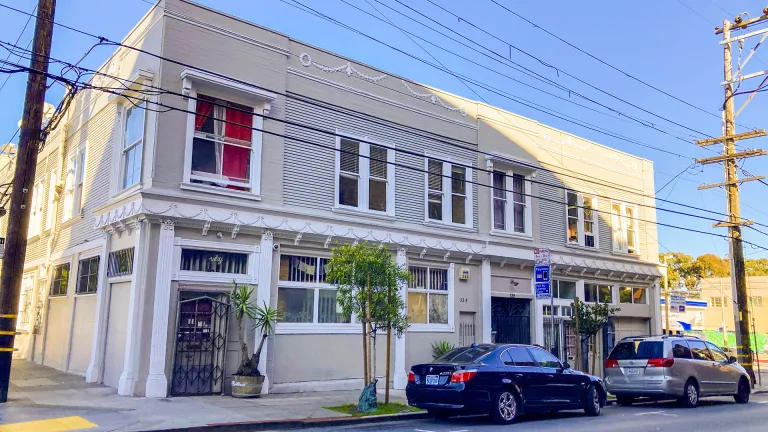
The San Francisco Community Land Trust focuses on preserving affordability in one of the most expensive housing markets in the country. By purchasing apartment buildings and converting them into limited-equity housing cooperatives, the trust protects tenants from displacement while keeping rents affordable.
This example highlights the flexibility of CLTs in adapting to urban markets. In cities like San Francisco, where rising rents drive displacement, CLTs play a crucial role in maintaining affordability and community stability.
Example 4: London Community Land Trust (United Kingdom)
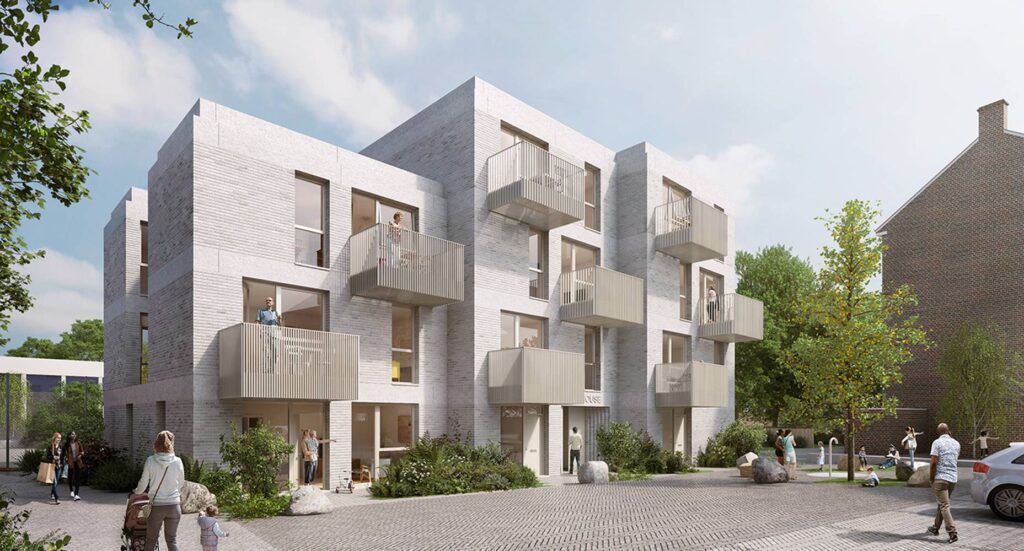
Beyond the United States, the London Community Land Trust demonstrates the international potential of the model. Established in response to skyrocketing housing prices, it ensures that homes are sold at prices linked to local median incomes rather than speculative market values.
This approach directly challenges the traditional housing market and provides a blueprint for other global cities facing similar affordability crises. The London CLT shows that the model can transcend borders and adapt to different legal and cultural contexts.
Practical Use Cases of Community Land Trusts
Combating Gentrification
One of the most powerful uses of CLTs is in neighborhoods experiencing gentrification. By securing land before speculative developers move in, CLTs can provide a buffer against displacement. Residents gain long-term housing security even as surrounding property values rise.
Supporting First-Time Homebuyers
Community land trusts are particularly valuable for first-time homebuyers. By reducing the cost of entry into homeownership, CLTs create pathways for individuals and families who might otherwise be locked out of the housing market. This makes them an essential tool for addressing wealth inequality.
Preserving Affordable Rental Housing
In addition to homeownership, CLTs can preserve rental housing affordability. By acquiring apartment complexes and operating them under the trust model, they prevent rent spikes and ensure that tenants are not forced out due to rising costs.
Strengthening Community Resilience
By placing land in collective ownership, CLTs encourage stronger community bonds and local decision-making. This resilience is especially important in times of economic uncertainty, as the community can collectively manage resources and respond to challenges.
Why Community Land Trusts Matter Today
As housing crises intensify around the globe, community land trusts have emerged as a vital solution. They not only provide affordable housing but also foster social equity, prevent displacement, and give communities more control over development.
In a world where housing is increasingly treated as a commodity, CLTs remind us that homes are a human right and community assets. Their ability to balance individual ownership with collective stewardship makes them uniquely suited to addressing the challenges of modern housing markets.
Frequently Asked Questions
1. How does a community land trust keep housing affordable?
CLTs separate land ownership from housing ownership. The trust retains ownership of the land, while resale restrictions on homes ensure that prices remain affordable for future generations.
2. Can renters benefit from community land trusts?
Yes, many CLTs also own and manage rental properties. This ensures that tenants have access to stable, affordable rents without the risk of sudden increases or displacement.
3. Are community land trusts only for low-income households?
While CLTs primarily focus on low- and moderate-income households, they can serve a mix of income levels. The goal is to maintain long-term affordability and inclusivity, which benefits the entire community.