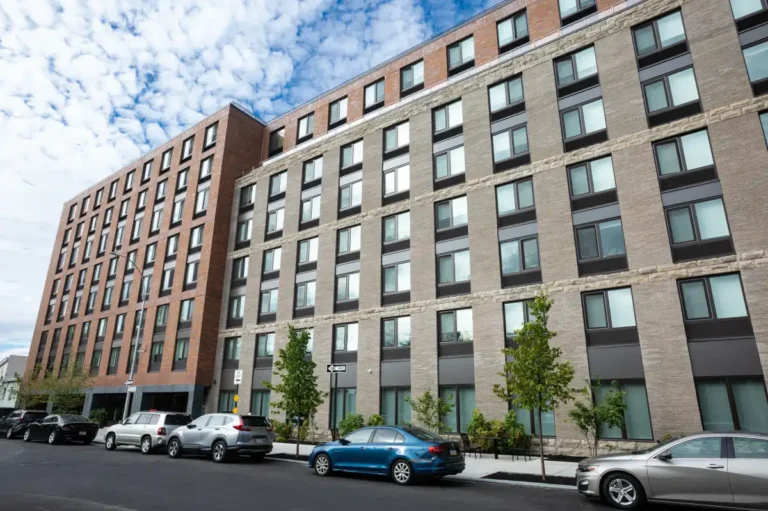
Low Income Homebuyer Program Guide Affordable Pathways to Homeownership
A low-income homebuyer program is designed to help individuals and families with limited financial resources purchase a home. These programs offer financial assistance, counseling, and affordable mortgage options, making homeownership more attainable for those who might otherwise struggle to qualify.
The purpose of these initiatives is not only to provide shelter but also to build financial stability and long-term security for families. They bridge the gap between rising housing costs and stagnant wages, providing communities with an opportunity to thrive.
Why These Programs Are Important
Low-income homebuyer programs address systemic barriers that prevent many people from accessing homeownership. Traditional mortgages often require high credit scores and significant down payments, both of which can be out of reach for low-income families.
These programs provide support such as down payment assistance, reduced interest rates, and financial education. This means households can break free from cycles of renting, allowing them to invest in a property that builds equity over time.
Key Features of Low-Income Homebuyer Programs
Most programs share common features that directly address affordability challenges. These include flexible financing, government subsidies, and grants tailored to first-time buyers.
Another important feature is educational support. Many programs require participants to attend homeownership classes, which equip them with budgeting and mortgage management skills. This holistic approach ensures long-term success, not just a temporary solution.
Financial Assistance and Subsidies
A major component is direct financial aid, often in the form of down payment assistance or closing cost coverage. These grants reduce the initial financial burden and make entering the housing market feasible.
In addition, certain programs offer reduced interest rates, capped monthly payments, or shared equity models. This ensures affordability continues throughout the life of the loan, preventing families from being overwhelmed.
Real-World Examples of Low-Income Homebuyer Programs
Example 1: HUD HOME Investment Partnerships Program

The HUD HOME program provides grants to state and local governments, which then fund initiatives that support affordable housing. Funds can be used for down payment assistance, rehabilitation, or construction of affordable homes.
This program is highly flexible, allowing communities to design strategies that meet local needs. For many families, this has been a gateway into stable housing markets where private financing alone would not suffice.
Example 2: USDA Rural Development Loan Program

The USDA loan is specifically targeted at rural communities, providing zero-down payment mortgage options for low- to moderate-income households. This unique approach helps revitalize smaller towns and agricultural areas.
Borrowers benefit not only from lower upfront costs but also from long-term, affordable mortgage structures. This supports both individual households and broader rural development goals.
Example 3: Habitat for Humanity Homeownership Program
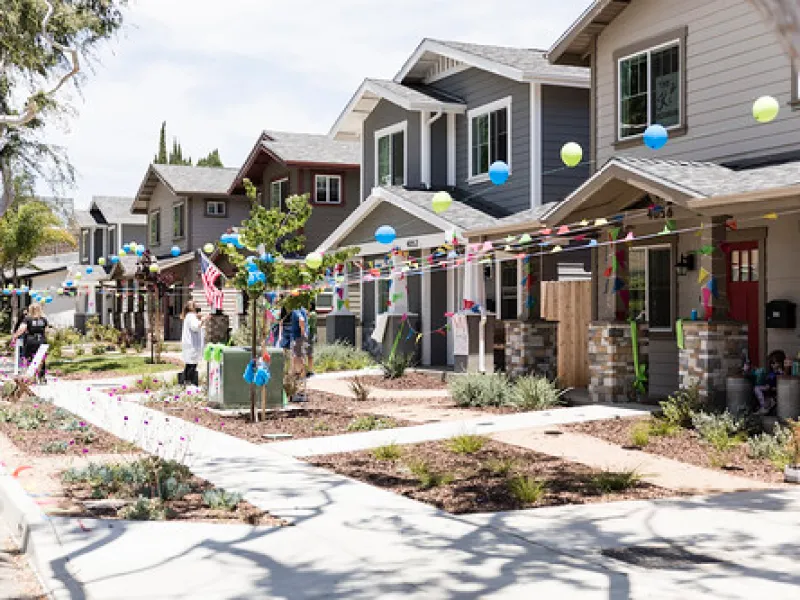
Habitat for Humanity offers a unique approach by combining sweat equity with affordable financing. Families contribute labor hours in building their own homes or others’, fostering community spirit.
Once completed, homeowners pay an affordable mortgage, ensuring sustainability. This model has empowered thousands of families worldwide to escape poverty housing.
Example 4: FHA Loans for Low-Income Buyers
FHA-backed loans are one of the most accessible options for low-income buyers. With reduced credit requirements and low down payments, FHA loans open doors for many first-time buyers.
Beyond financial support, FHA also ensures lenders take on less risk, making banks more willing to approve applicants who might otherwise be declined.
Benefits of Using Low-Income Homebuyer Programs
These programs offer multiple benefits that go beyond financial assistance. They empower families, strengthen communities, and contribute to economic stability.
One key benefit is breaking the cycle of renting. Instead of continually paying landlords, families invest in their own future through equity growth. Over time, this creates generational wealth that can be passed down.
Stability and Security
Owning a home provides stability that renting cannot. Families no longer face sudden rent hikes or eviction threats. This stability translates into better educational outcomes for children and stronger community ties.
Security also extends to finances. With structured support, homeowners can better manage their budgets and plan for the future, reducing the risks of foreclosure.
Long-Term Community Development
Homeownership contributes to neighborhood revitalization. When families invest in their homes, they also invest in their communities. This leads to safer environments, stronger social ties, and increased property values.
These ripple effects demonstrate why low-income homebuyer programs are not just individual solutions but community-wide investments.
Use Cases of Low Income Homebuyer Programs
Solving the Down Payment Barrier
One of the biggest obstacles is saving enough for a down payment. Programs that provide grants or assistance directly solve this challenge, enabling faster access to ownership.
This is especially important for single parents or families living paycheck-to-paycheck, who may never be able to accumulate traditional savings otherwise.
Supporting First-Time Buyers
First-time buyers often lack financial knowledge. Educational requirements within these programs help participants make informed decisions.
By combining education with financial aid, programs ensure buyers are prepared for long-term success, reducing the likelihood of default.
Preventing Displacement in High-Cost Areas
In cities with skyrocketing housing prices, low-income families are often pushed out. Programs targeted at affordable housing prevent displacement and preserve diversity in urban areas.
This use case highlights how programs act as tools for social equity, ensuring that housing markets remain accessible to all income groups.
Frequently Asked Questions
1. Who qualifies for a low-income homebuyer program?
Qualification varies by program but generally include income limits, first-time buyer status, and credit score requirements. Some programs are location-specific or aimed at certain professions.
2. Are these programs only for first-time buyers?
Not always. While many target first-time buyers, some are available to repeat buyers who meet income requirements. Specialized programs may also target veterans or rural residents.
3. Do I need perfect credit to apply?
No. Many programs are designed for individuals with modest credit. FHA loans, for example, accept lower credit scores, and counseling is often provided to improve financial readiness.