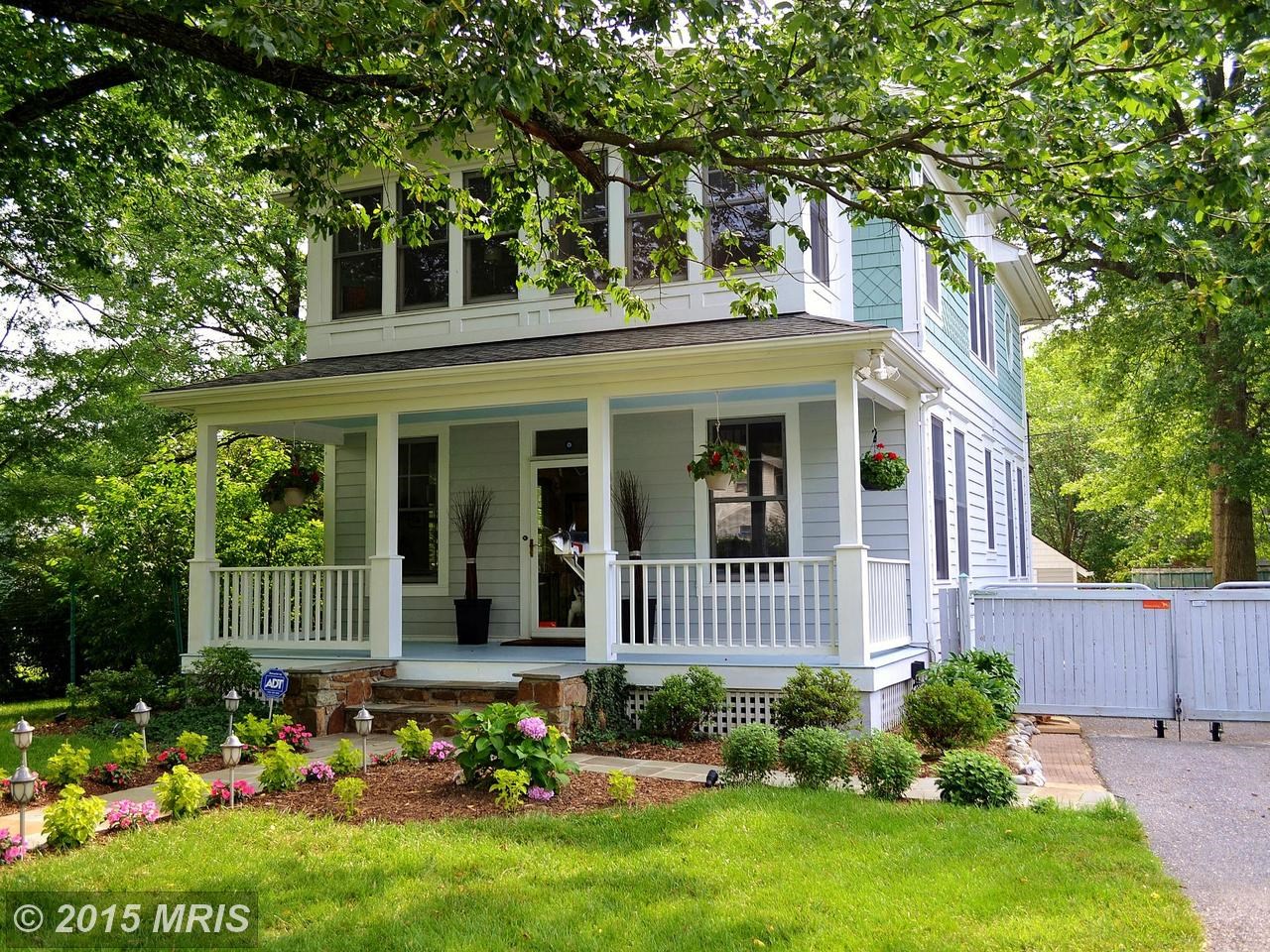
Low Income Home Ownership Affordable Paths to Owning Homes
Low-income home ownership refers to programs and initiatives designed to help individuals and families with limited financial resources achieve the dream of owning a home. Unlike renting, which offers no long-term equity, home ownership provides stability, wealth-building potential, and a foundation for future generations.
For many, the primary barrier to homeownership is affordability. Rising housing costs, stagnant wages, and limited access to credit have left many low-income households unable to buy homes. That’s why governments, nonprofits, and community organizations have developed targeted solutions that provide pathways to homeownership, even for those with modest incomes.
Why Low Income Home Ownership Matters
Access to affordable homeownership is about more than just property; it’s about building stronger, more stable communities. When people own homes, they invest in their neighborhoods, improve local economies, and create a sense of belonging.
For low-income families, home ownership also represents generational wealth. By paying into a mortgage rather than rent, households build equity that can support education, small businesses, and long-term security. These ripple effects make low-income home ownership one of the most important aspects of housing policy.
Key Elements of Low-Income Home Ownership
Affordable Mortgage Options
Special mortgage programs for low-income buyers often feature lower interest rates, smaller down payment requirements, or government-backed guarantees. These programs reduce financial barriers while ensuring responsible lending practices.
Down Payment Assistance
One of the toughest hurdles for low-income households is saving for a down payment. Many organizations offer grants, forgivable loans, or matched savings programs to ease this burden, helping families step into home ownership sooner.
Documentation and Application Requirements
Income Verification
Applicants for low-income home ownership programs must provide proof of income, tax returns, or pay stubs. This ensures that assistance reaches those who need it most.
Credit Considerations
While credit history is still considered, many programs are more flexible with credit requirements than traditional loans. The focus is on responsible repayment rather than perfect credit scores.
Real-World Examples of Low-Income Home Ownership Programs
Example 1: Habitat for Humanity Homeownership Program
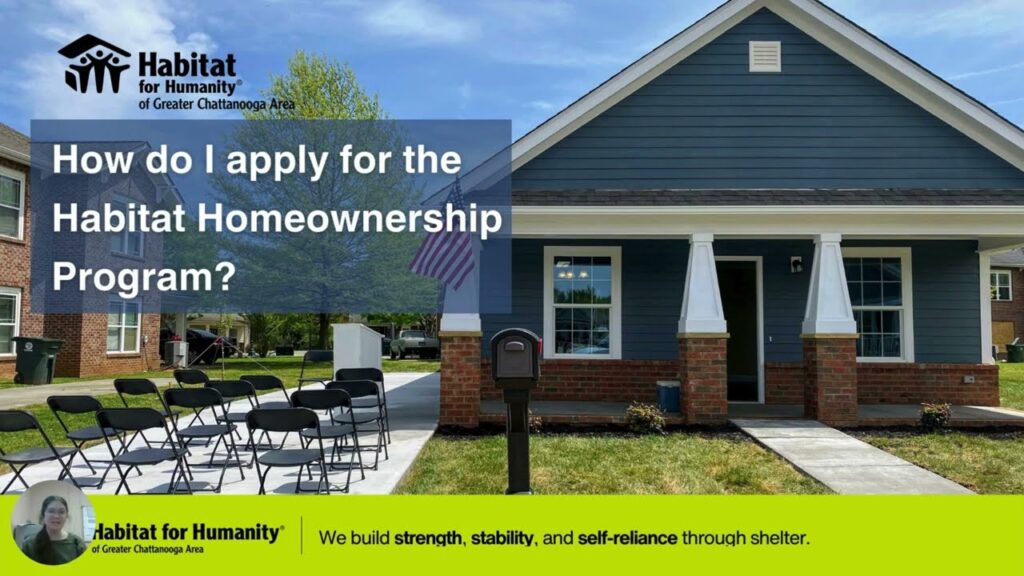
Habitat for Humanity has become a global leader in making home ownership possible for low-income families. Instead of traditional down payments, families contribute “sweat equity” by helping build their homes alongside volunteers.
This approach not only reduces construction costs but also builds community ties. Families gain affordable housing while participating directly in the process of creating their home.
Example 2: USDA Rural Development Home Loans

The U.S. Department of Agriculture offers rural housing programs specifically for low- and moderate-income households. These loans often require no down payment and provide low interest rates, making them a lifeline for families in rural communities.
By targeting underserved areas, USDA loans encourage growth in rural economies while supporting families who might otherwise struggle to own homes.
Example 3: Section 502 Direct Loan Program
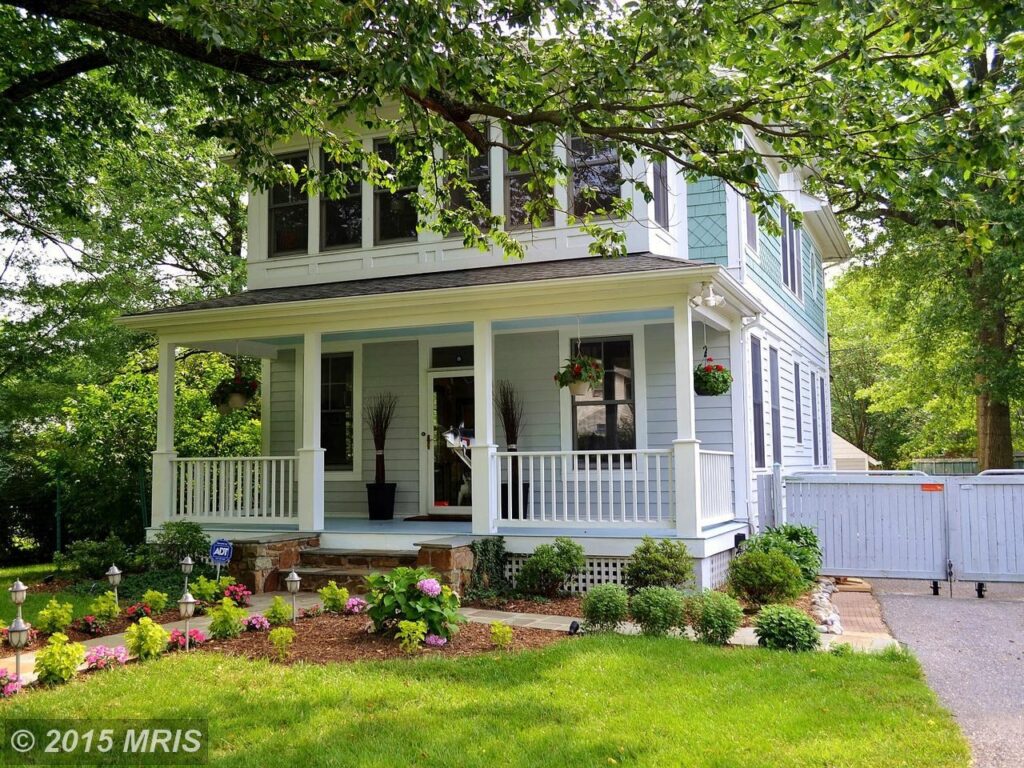
Another USDA initiative, the Section 502 program, provides loans directly to very-low- and low-income applicants. These loans can include subsidies to reduce payment amounts, making ownership possible for families living in poverty.
This example shows how targeted government programs can make home ownership achievable even for households on the lowest income tiers.
Example 4: Shared Equity Housing Models
Insert image of the product format
Community land trusts (CLTs) and shared equity housing provide another path to low-income home ownership. In these models, residents purchase homes at reduced prices, while the land is held by a nonprofit trust.
This ensures long-term affordability by preventing speculation, helping families remain in their homes, and preserving affordable housing stock for future generations.
Benefits of Low-Income Home Ownership
Building Financial Security
Owning a home allows families to build equity and stability. Unlike rent, which disappears monthly, mortgage payments build long-term value that strengthens financial resilience.
Stronger Communities
Neighborhoods with high home ownership rates often see lower crime, stronger schools, and greater civic engagement. Low-income home ownership contributes to these positive outcomes by empowering residents to invest in their communities.
Emotional and Social Benefits
Home ownership fosters pride, security, and stability for families. Children benefit from stable living conditions, while parents gain peace of mind knowing they own a permanent home.
Benefits of Using Technology in Low-Income Home Ownership Programs
Digital Application Platforms
Many organizations now provide online tools for applying to assistance programs. This makes access easier, especially for those in remote or underserved areas.
Financial Literacy Tools
Apps and online platforms help families understand budgeting, mortgage options, and credit management. By using technology, households gain the knowledge to sustain home ownership long-term.
Data-Driven Housing Policy
Technology allows policymakers to analyze housing demand, identify underserved areas, and allocate resources more effectively. This ensures that low-income home ownership initiatives reach the right people.
Use Cases: Why Low Income Home Ownership Works
Breaking the Cycle of Poverty
Home ownership allows families to stop spending their income on rising rents and instead invest in long-term assets. This shift builds generational wealth and opportunities.
Stabilizing Communities
When families own homes, they’re less likely to move frequently. This stability strengthens neighborhoods, schools, and local economies.
Supporting Rural and Urban Balance
Programs like USDA Rural Development loans help low-income families stay in rural areas, while urban shared equity housing ensures cities remain inclusive. Together, these strategies prevent displacement and encourage diverse communities.
Frequently Asked Questions
1. Who qualifies for low-income home ownership programs?
Eligibility typically depends on household income relative to the area median income (AMI). Programs often target families earning below 80% of AMI, though some extend to moderate-income levels.
2. How do low-income home ownership programs differ from rental assistance?
Rental assistance helps families afford temporary housing, while home ownership programs focus on long-term stability by making ownership affordable through loans, grants, or shared equity.
3. What are the long-term benefits of owning a home for low-income families?
Long-term benefits include equity building, financial security, stable housing, improved educational outcomes for children, and stronger community ties.