Workforce Housing Apartments Affordable Homes for Essential Workers
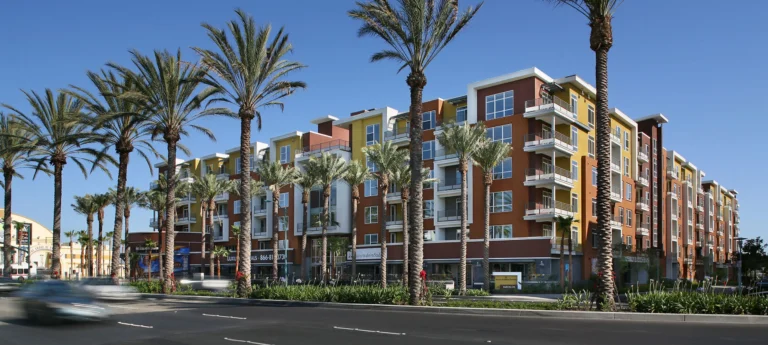
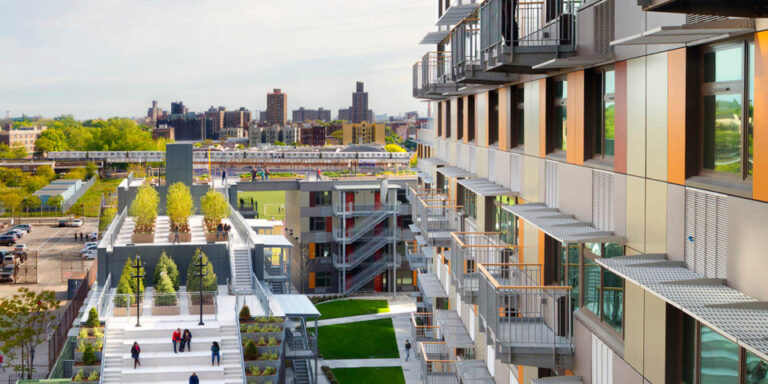
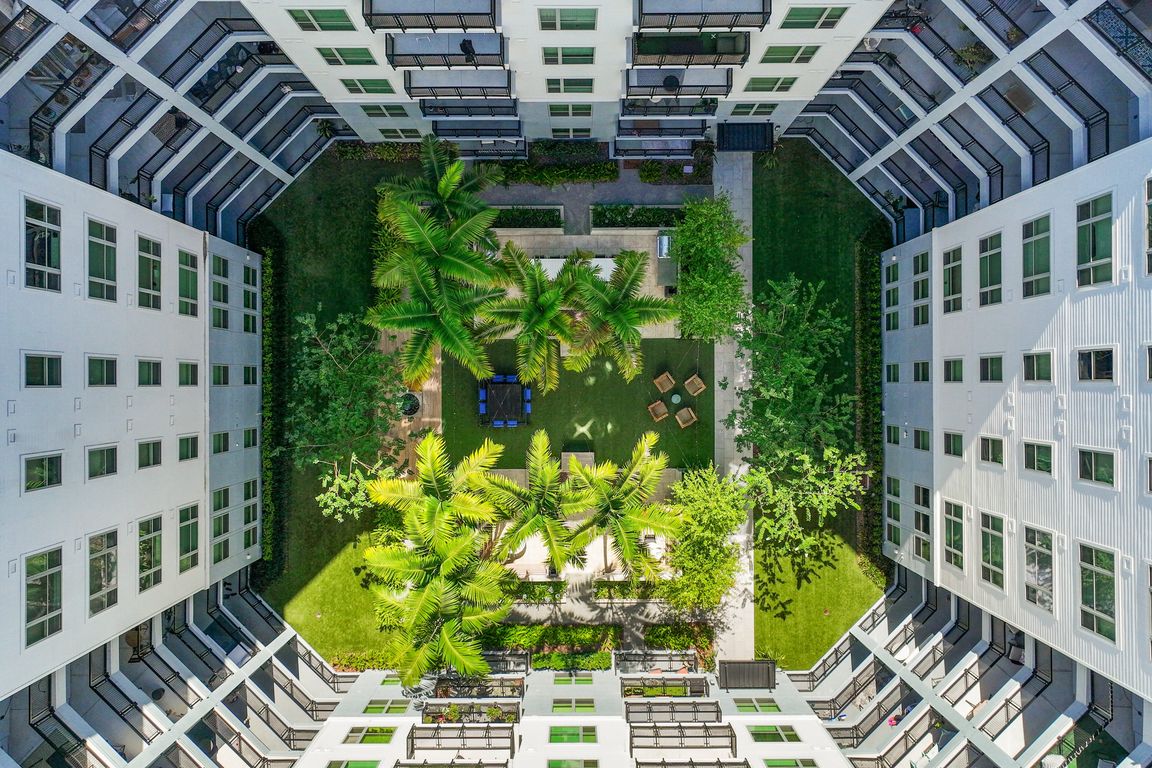
Workforce housing apartments are housing units specifically designed to be affordable for middle-income workers who earn too much to qualify for traditional low-income housing but not enough to comfortably afford market-rate apartments. This type of housing is critical in high-cost urban areas where essential workers such as teachers, nurses, firefighters, and public service employees struggle to secure stable housing close to their workplaces.
The purpose of workforce housing apartments is to fill a gap in the housing market that often leaves moderate-income earners overlooked. By offering rents pegged to income brackets, workforce housing ensures that individuals contributing to the economic and social backbone of communities can live in the same cities where they work.
Why Workforce Housing Matters
The growing disparity between wages and the cost of living has pushed many workers out of urban centers. Without accessible housing options, commuting times increase, job satisfaction drops, and communities lose economic diversity. Workforce housing apartments are designed to address this challenge by ensuring that professionals crucial to daily life have a place in the community.
This housing option not only alleviates stress for workers but also enhances local economies. Residents living near their jobs spend more in local businesses, participate in civic activities, and contribute to neighborhood stability.
Key Features of Workforce Housing Apartments
Targeted Income Levels
Workforce housing programs typically serve households earning between 60% and 120% of the Area Median Income (AMI). This range captures individuals who may be priced out of traditional affordable housing yet cannot manage high rental costs.
By narrowing eligibility to these groups, workforce housing provides a safety net for workers often caught in the middle-income squeeze.
Location Accessibility
Another important feature is proximity. Workforce housing apartments are often built near job centers, public transportation, or essential community services. This reduces commuting stress and fosters a better work-life balance.
Documentation and Application Process
Proof of Income
Applicants usually need to submit income documentation such as pay stubs, W-2s, or tax returns. This ensures the units are rented to households that meet the program’s guidelines.
Application Procedures
The process can involve waiting lists, lottery systems, or direct applications, depending on the city or program. Transparency and fairness are central to ensuring access for eligible households.
Real-World Examples of Workforce Housing Apartments
Example 1: Teachers Village in Newark, New Jersey
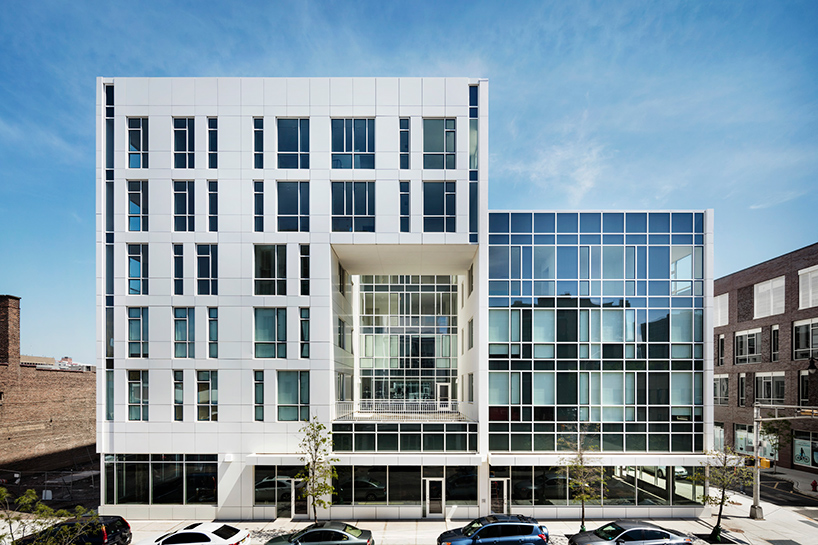
Teachers Village is a prime example of workforce housing tailored to educators. This mixed-use development provides affordable apartments for teachers while including classrooms and retail spaces. The project revitalized a neglected downtown area and ensured that educators could live in the community they serve.
Teachers Village highlights how workforce housing can simultaneously address housing needs and contribute to urban renewal.
Example 2: Workforce Housing in Denver, Colorado

Denver has developed workforce housing apartments to help nurses, police officers, and hospitality workers secure affordable homes near downtown. These developments often include modern amenities but keep rents affordable by leveraging public-private partnerships.
This program demonstrates how workforce housing sustains vital industries in cities facing skyrocketing living costs.
Example 3: Bay Area Transit-Oriented Workforce Housing
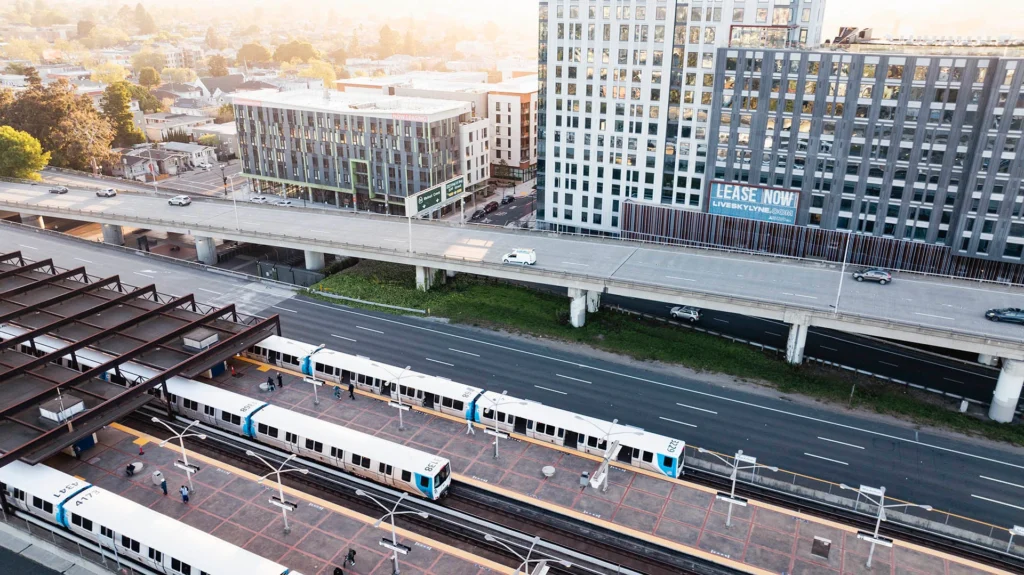
In the San Francisco Bay Area, workforce housing is being developed near transit hubs. By situating apartments close to trains and buses, these projects help reduce commuting times for essential workers.
The integration of housing and transit planning shows how workforce housing can be part of broader urban infrastructure strategies.
Example 4: Orlando Health Village Apartments
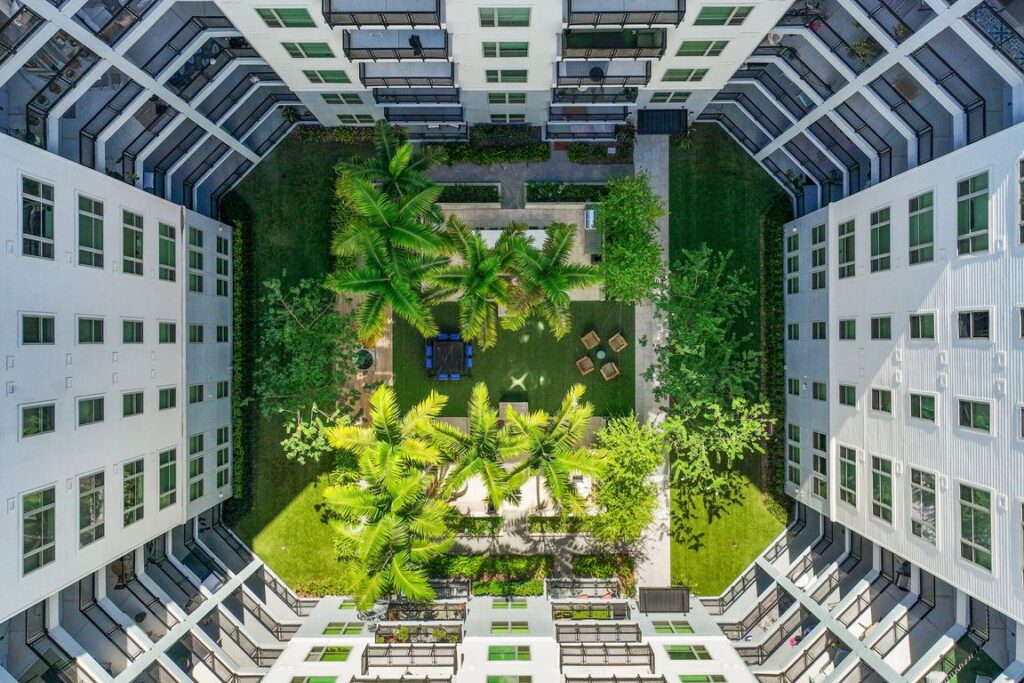
In Orlando, workforce housing has been developed near major hospitals to ensure healthcare workers have access to nearby apartments. This initiative reduces burnout, increases retention, and strengthens healthcare delivery by allowing staff to live closer to their workplace.
This example illustrates the strong link between housing affordability and public service efficiency.
Benefits of Workforce Housing Apartments
Economic Stability for Workers
Workforce housing apartments reduce rent burdens, allowing workers to spend on other essential needs such as education, childcare, or healthcare. This creates stronger financial security for households.
Strengthened Communities
By enabling workers to live within their communities, workforce housing fosters deeper social ties. Neighborhoods benefit from diversity, stability, and stronger civic participation.
Retention of Essential Employees
Cities struggling with worker shortages, particularly in healthcare and education, benefit directly from workforce housing. Employees are more likely to stay long-term when housing stress is reduced.
Benefits of Using Technology in Workforce Housing Programs
Online Application Platforms
Many cities now offer digital platforms for applying to workforce housing programs. This makes the process more efficient, transparent, and accessible to applicants with limited time or mobility.
Data Analytics for Planning
Technology helps policymakers analyze demographic trends and housing demand. This data-driven approach ensures developments are built in locations with the greatest need.
Smart Building Features
Some workforce housing projects integrate technology like energy-efficient appliances and smart thermostats. These features lower utility costs and promote sustainability while keeping units affordable.
Use Cases: Why Workforce Housing Is Important
Reducing Commute Times
Workers who live closer to their jobs save time and money on transportation. This not only improves quality of life but also reduces environmental impacts from long commutes.
Supporting Local Economies
When essential workers live in the communities they serve, they spend more locally, boosting small businesses and service industries.
Ensuring Diversity in Cities
Workforce housing prevents cities from becoming exclusive enclaves for the wealthy. By maintaining a mix of income levels, urban areas remain vibrant, inclusive, and culturally diverse.
Frequently Asked Questions
1. Who qualifies for workforce housing apartments?
Eligibility generally applies to households earning between 60% and 120% of the Area Median Income. Applicants must provide proof of income and meet program requirements.
2. How are workforce housing apartments different from low-income housing?
Low-income housing targets households earning below 60% of AMI, while workforce housing serves moderate-income workers who do not qualify for low-income programs but cannot afford market rates.
3. What professions benefit most from workforce housing?
Professions such as teachers, nurses, firefighters, police officers, and service industry workers benefit greatly because their incomes often fall into the moderate-income range.