Low Income Homebuyer Assistance Comprehensive Guide to Programs, Benefits, and Real-Life Use Cases
Low-income homebuyer assistance refers to financial programs, grants, and services that are designed to help families and individuals with limited income purchase their first homes. These initiatives are often supported by government agencies, non-profits, and local housing authorities, making homeownership a realistic goal for people who might otherwise be excluded due to financial barriers.
The purpose of these assistance programs goes beyond helping people buy property. They aim to strengthen communities, reduce economic inequality, and provide long-term stability for families. Without such support, many low-income earners would continue to face rising rents, displacement, and lack of access to stable housing.
Why Low-Income Homebuyer Assistance Matters
Affordable housing is not just about having a roof over one’s head; it is tied to economic mobility and community development. With rising property costs in many regions, access to assistance programs ensures that those with modest earnings are not completely left out of the housing market.
Moreover, owning a home often builds generational wealth. Families who participate in homebuyer assistance programs can pass down both the property and financial security to their children, breaking cycles of poverty and instability.
Key Components of Low-Income Homebuyer Assistance
Down Payment Assistance
One of the biggest hurdles in homeownership is saving for the down payment. Assistance programs provide grants or forgivable loans to cover this upfront cost, making home purchases feasible for families without significant savings.
These forms of support often vary by state or municipality, but the underlying principle is the same: to remove the initial financial burden that prevents many first-time buyers from entering the market.
Reduced Interest Loans
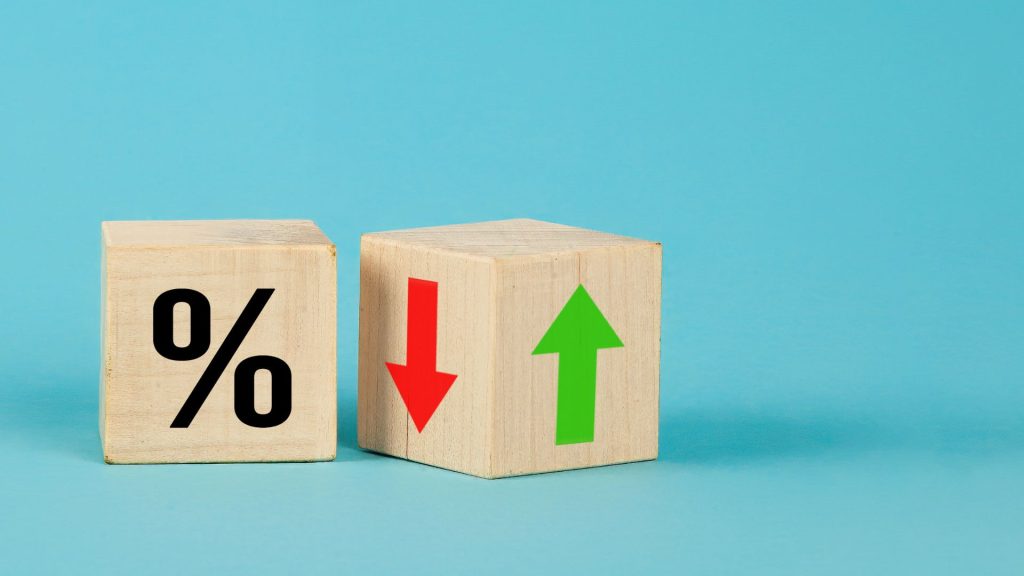
In addition to grants, some programs offer reduced-interest loans through partnerships with lenders. By lowering the cost of borrowing, monthly payments become more manageable for low-income households, ensuring long-term affordability.
This benefit can make the difference between a family being perpetually stuck in the rental cycle and being able to move into stable homeownership.
Real-World Examples of Low-Income Homebuyer Assistance
Example 1: HUD’s HOME Investment Partnerships Program
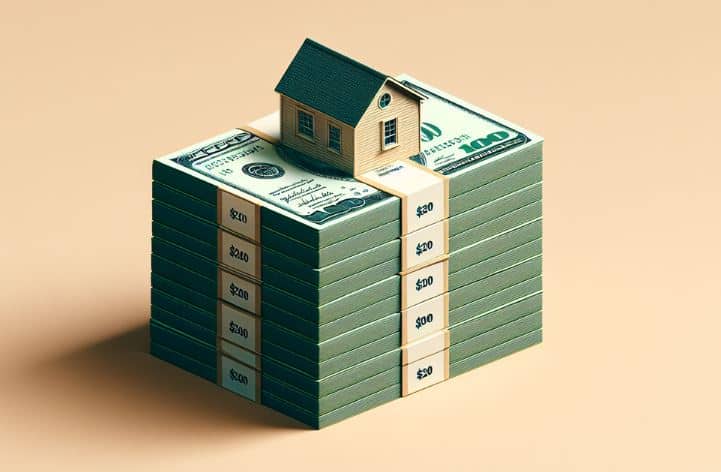
The HOME program, managed by the U.S. Department of Housing and Urban Development (HUD), provides federal funding to states and municipalities to create affordable housing opportunities. Many local housing authorities use HOME funds to provide down payment assistance or subsidized mortgages to low-income buyers.
This program is particularly impactful because it decentralizes funding, letting local governments design assistance that matches their community’s needs. For example, some cities may focus on helping single parents, while others target first-time buyers in revitalization zones.
Example 2: State-Specific Assistance Programs

Each U.S. state often has its own unique homebuyer assistance programs. For instance, California’s CalHFA program offers down payment loans for low-to-moderate-income buyers, while Texas has the “My First Texas Home” program with reduced interest rates.
These state-level solutions are tailored to address housing affordability challenges in regions where property prices vary dramatically. Buyers who qualify often receive layered assistance combining state funds with federal support like FHA-insured loans.
Example 3: Nonprofit and Community-Based Assistance

Nonprofit organizations such as Habitat for Humanity play a significant role in providing low-income homebuyer assistance. Beyond building affordable homes, these organizations often offer education, financial literacy programs, and direct support with mortgage terms designed for affordability.
This holistic approach ensures that buyers are not just given financial help, but also the knowledge and confidence needed to sustain homeownership in the long term.
Benefits of Using Technology in Assistance Programs
Digital technology has transformed the way assistance programs operate, making them more accessible and transparent. For example, online application portals allow families to apply for programs without physically visiting government offices, saving both time and cost.
Additionally, housing authorities are now using AI-driven platforms to assess eligibility faster, reducing administrative delays. Mobile apps also help applicants track their application status, upload required documents, and receive real-time notifications about updates.
The integration of technology ensures that low-income families, many of whom juggle multiple jobs, can access assistance in a streamlined and efficient way.
Practical Benefits of Low-Income Homebuyer Assistance
Improved Financial Security
By reducing upfront costs and lowering monthly payments, these programs give families the chance to invest in a stable future. Instead of paying high rent to landlords, monthly payments go toward building equity in their own property.
This creates a long-term cushion against economic shocks, providing a stronger safety net for unexpected challenges such as medical bills or temporary job loss.
Stronger Community Development
When more families can afford homes in a neighborhood, it leads to stronger community ties, reduced displacement, and enhanced local economies. Stable housing is often linked with better school performance for children, lower crime rates, and improved mental health outcomes for families.
This ripple effect is one of the greatest benefits of homebuyer assistance, as it extends far beyond the individual homeowner.
Real-Life Use Cases of Assistance Programs
First-Time Buyers Breaking Barriers
A young teacher with limited income may not be able to save for a down payment while also paying student loans and rent. With assistance, they can buy a modest home, invest in their future, and remain in the community they serve.
Helping Families Avoid Rent Traps
A family of four living in a high-rent city might spend over half their income on housing. With down payment grants and reduced loan terms, they can transition into homeownership, stabilizing their monthly expenses and freeing up income for education and healthcare.
Supporting Retirees on Fixed Income
Senior citizens relying on fixed Social Security income may find it nearly impossible to secure a mortgage. Assistance programs tailored for retirees help them purchase smaller, affordable homes without the burden of traditional lending requirements.
These scenarios highlight how homebuyer assistance directly addresses real-world financial struggles.
Frequently Asked Questions (FAQ)
1. Who qualifies for low-income homebuyer assistance?
Eligibility depends on household income, family size, and location. Most programs target first-time buyers earning below 80% of the area median income (AMI).
2. Can I combine federal, state, and nonprofit programs?
Yes, many families layer multiple forms of assistance, such as combining HUD support with state-level grants and nonprofit help. This approach maximizes affordability.
3. Are these programs only for first-time buyers?
While most assistance is targeted at first-time buyers, some programs extend support to repeat buyers if they meet specific income and housing conditions.