Chapter 40B Housing Comprehensive Guide to Affordable Housing in Massachusetts
Chapter 40B housing, often called the “Massachusetts Comprehensive Permit Law,” is a critical policy aimed at addressing the housing affordability crisis. Established in 1969, it empowers developers to bypass certain restrictive local zoning regulations if they commit to including affordable units in their projects. This policy is designed to ensure that more Massachusetts residents have access to safe, affordable housing options in communities where rising costs often price out lower- and middle-income families.
The law applies when less than 10% of a municipality’s housing stock qualifies as affordable under state standards. By providing a legal framework for streamlined approvals, Chapter 40B encourages both private developers and nonprofit organizations to participate in expanding housing availability. For more than five decades, this law has shaped urban planning, suburban development, and the lives of countless Massachusetts residents.
Understanding the Core Purpose of Chapter 40B Housing
What Chapter 40B Aims to Solve
At its core, Chapter 40B is about bridging the gap between housing demand and affordability. Many communities in Massachusetts experience escalating property values, making it difficult for working families, young professionals, and seniors to find affordable homes. Chapter 40B steps in as a balancing tool, compelling municipalities to prioritize inclusivity.
Without policies like this, communities risk becoming economically exclusive, shutting out vital workers such as teachers, healthcare providers, and public service employees. The law not only addresses affordability but also pushes for socioeconomic diversity, ensuring that cities and towns maintain vibrant, mixed-income populations.
How the Law Works in Practice
When developers propose a housing project that includes 20–25% affordable units, they can apply for a comprehensive permit through a local zoning board. This permit allows them to bypass certain zoning rules, such as density limits, minimum lot sizes, or building restrictions, which often make housing development difficult.
By combining affordable housing mandates with incentives for developers, Chapter 40B ensures that new projects are both financially viable and socially beneficial. It is this unique balance that has made the law one of the most significant affordable housing policies in the United States.
Benefits of Chapter 40B Housing
Expanding Housing Opportunities
Chapter 40B expands the pool of affordable housing units across Massachusetts. For households earning below the area median income (AMI), it provides an opportunity to live in communities that would otherwise be financially inaccessible. This access is critical for families seeking quality education, healthcare, and employment opportunities.
The law also benefits entire communities by attracting a diverse population. Neighborhoods with mixed-income housing tend to experience stronger local economies, more cultural diversity, and increased resilience against housing market volatility.
Encouraging Smart Development with Technology
Modern Chapter 40B projects increasingly integrate technology to optimize design, sustainability, and livability. From energy-efficient building materials to smart home systems, technology helps developers create housing that is not only affordable but also eco-friendly.
Developers may use advanced modeling software to design projects that minimize land use while maximizing unit availability. Similarly, technology-driven energy systems reduce utility costs, further supporting the mission of affordability for residents. In this way, Chapter 40B becomes more than just a zoning law; it becomes a platform for innovation in housing development.
Real-World Examples of Chapter 40B Housing Projects
Example 1: Avalon Sudbury
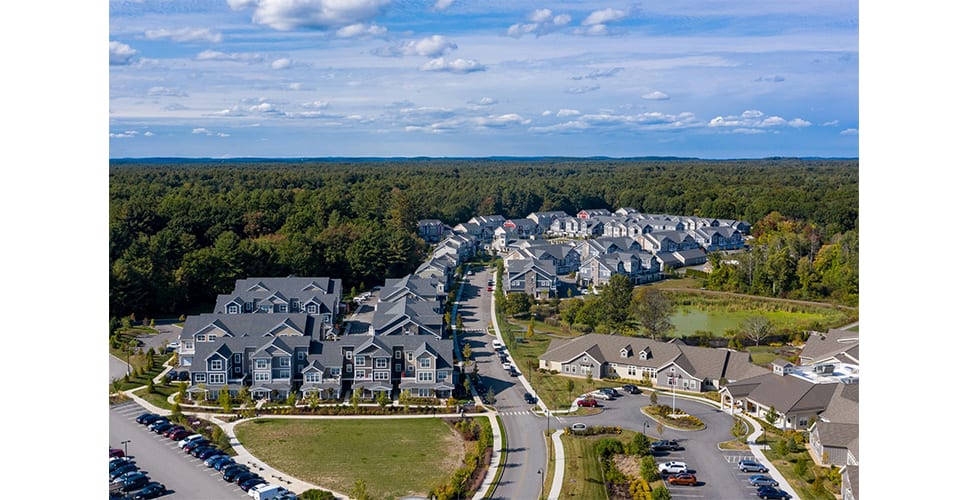
Avalon Sudbury is a prominent example of how Chapter 40B can transform suburban communities. This development includes hundreds of units, with a significant percentage dedicated to affordable housing. The project overcame initial resistance from residents and zoning challenges, ultimately delivering modern, accessible homes for families across income levels.
The relevance of Avalon Sudbury lies in its ability to demonstrate how affordable housing can coexist with upscale development. Residents gain access to high-quality amenities, while the town fulfills its affordable housing obligations, strengthening community inclusivity.
Example 2: Concord Mews in Concord, MA
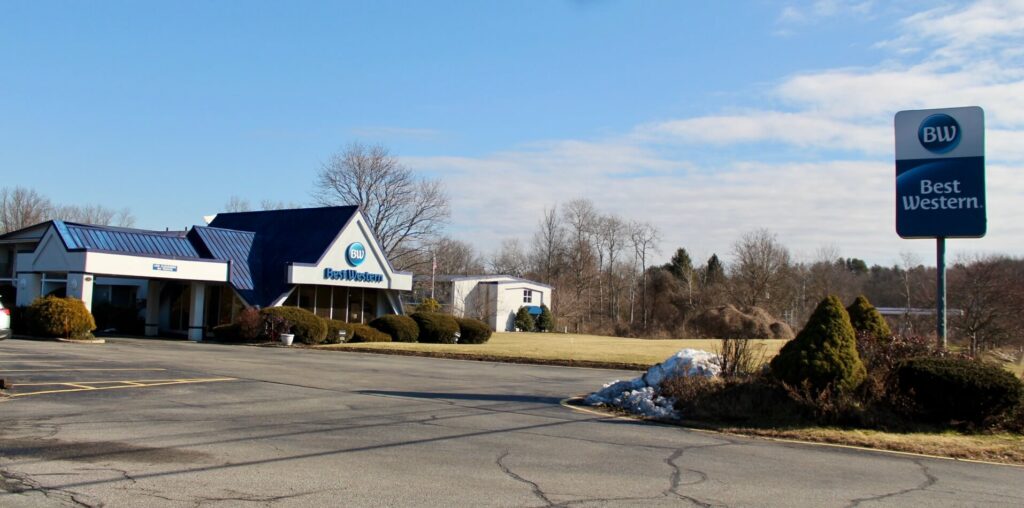
Concord Mews is another Chapter 40B success story. The project added a mix of market-rate and affordable apartments in one of Massachusetts’ most historically significant towns. The development included not only residential units but also integrated green spaces and modern infrastructure.
This case is particularly important because Concord faced longstanding resistance to dense housing development. Chapter 40B provided the legal pathway to bring this much-needed project to fruition, balancing the preservation of town character with the necessity of housing diversity.
Example 3: Avalon North Reading

Avalon North Reading highlights how Chapter 40B developments can enhance accessibility. The project included affordable units designed for families and individuals with mobility challenges. By aligning inclusivity with affordability, Avalon North Reading set a standard for future projects across the state.
This example underscores the broader impact of Chapter 40B, not only making housing affordable but also ensuring accessibility for residents with different needs. It shows how legislation can evolve into a framework that reflects both social and economic values.
Example 4: 300 Trumbull Street in Lowell
The Lowell development at 300 Trumbull Street illustrates how Chapter 40B can revitalize older urban areas. By redeveloping underutilized land into a mixed-income residential space, this project helped reinvigorate Lowell’s economy. It created new opportunities for affordable housing while contributing to the city’s urban renewal.
This real-world case proves that Chapter 40B is not limited to suburban areas—it is equally valuable in older cities where housing shortages persist. Through adaptive reuse and smart planning, affordable housing can strengthen local economies while benefiting residents.
Practical Use Cases of Chapter 40B Housing
Solving Housing Shortages in High-Cost Areas
One of the most practical applications of Chapter 40B is addressing housing shortages in expensive suburbs around Boston. Without the law, developers would face numerous regulatory hurdles, making affordable housing nearly impossible to build. By providing streamlined approval processes, Chapter 40B ensures that even wealthy communities contribute to the state’s affordable housing goals.
Supporting Seniors and First-Time Homebuyers
Chapter 40B developments often include units specifically tailored for seniors and first-time homebuyers. Seniors benefit from affordable downsizing options within their communities, while younger buyers gain access to housing markets that might otherwise be out of reach. This use case reflects the law’s ability to serve residents at different life stages.
Promoting Economic Mobility
Affordable housing has a direct impact on economic mobility. Families living in Chapter 40B units often gain access to better schools, healthcare, and job opportunities. This creates long-term benefits not only for residents but also for Massachusetts’s workforce and economy.
Why Chapter 40B Housing Matters Today
In today’s housing landscape, affordability has become one of the most pressing challenges. Chapter 40B remains as relevant as ever, ensuring that affordable housing production keeps pace with population growth and economic shifts.
Communities that embrace Chapter 40B projects often see long-term benefits, including increased property values, stronger social cohesion, and more equitable opportunities for residents. By balancing the needs of developers, municipalities, and residents, the law continues to serve as a model for other states grappling with housing affordability.
Frequently Asked Questions
1. What is Chapter 40B housing in Massachusetts?
Chapter 40B housing refers to developments built under the Massachusetts Comprehensive Permit Law. It allows developers to bypass certain zoning restrictions if they include a minimum percentage of affordable housing units.
2. Who qualifies for Chapter 40B housing?
Eligibility for Chapter 40B housing is typically based on household income. Families or individuals earning below a set percentage of the area median income (often 80%) may qualify for affordable units within these developments.
3. Why is Chapter 40B sometimes controversial?
Chapter 40B can be controversial because it allows developers to override local zoning rules, leading to concerns about density, traffic, or community character. However, the law ensures that affordable housing is fairly distributed across Massachusetts communities.