Home Construction Companies Expert Insights, Benefits, and Real-World Examples
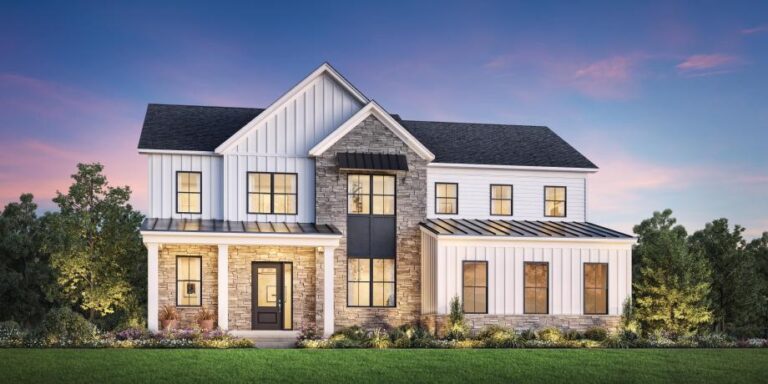
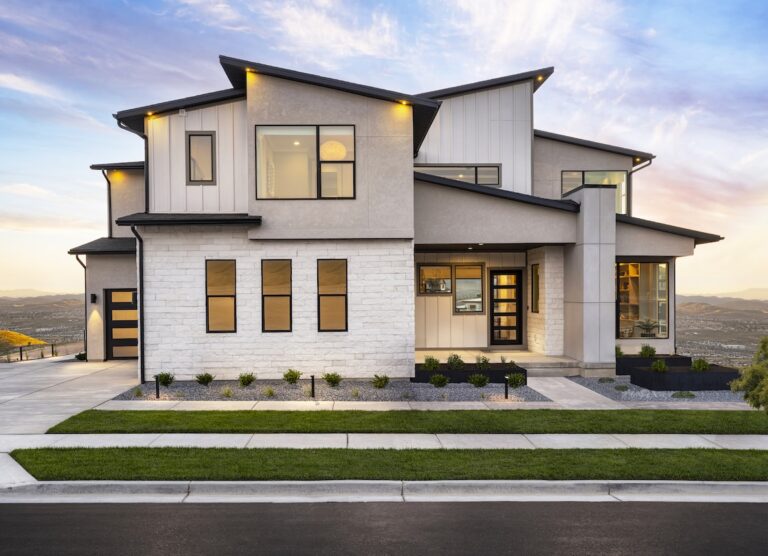
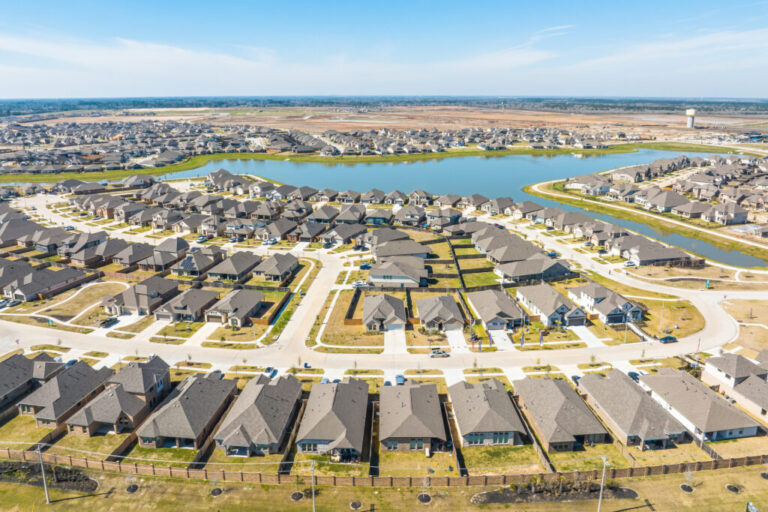
Home construction companies are organizations that specialize in building residential properties, from single-family homes to luxury estates and multi-unit communities. These companies manage every stage of the process from planning and design to construction and delivery. Unlike individual contractors, construction companies usually have teams of architects, engineers, project managers, and skilled workers under one roof.
Their role extends beyond simply building homes; they also navigate zoning regulations, coordinate with city planners, and integrate modern technologies to make homes energy-efficient and durable. Understanding how these companies operate provides valuable insights into the evolving real estate and housing markets worldwide.
The Role of Technology in Home Construction
Technology is transforming the way home construction companies work. Advanced tools like Building Information Modeling (BIM), 3D printing, and AI-driven project management software are now common in the industry. These innovations allow for more accurate planning, faster timelines, and reduced costs.
For example, drone technology helps survey land with precision, ensuring that the foundation is laid out correctly. Similarly, smart sensors in construction sites monitor safety conditions, preventing accidents and improving efficiency. The integration of technology also allows companies to build homes that meet modern sustainability standards, such as energy-efficient HVAC systems and solar panel-ready rooftops.
Real-World Examples of Leading Home Construction Companies
Example 1: Lennar Corporation
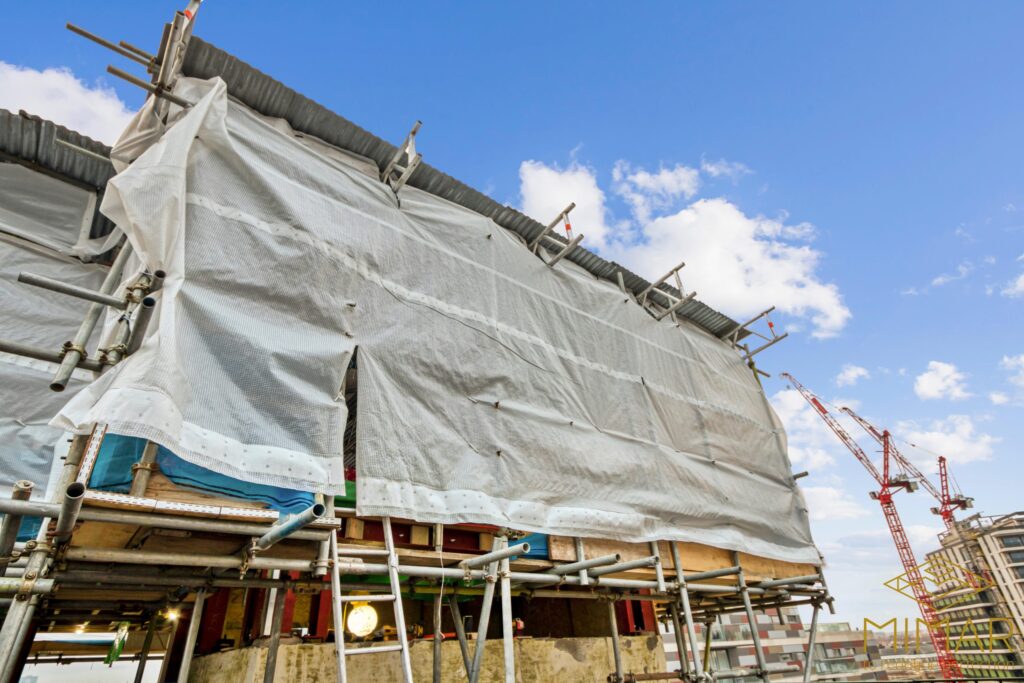
Lennar is one of the largest home construction companies in the United States, with a reputation for building communities rather than just homes. Their developments often include parks, schools, and shopping centers within close reach, emphasizing lifestyle convenience. What makes Lennar stand out is its focus on smart home technology. Many of their houses come equipped with automation systems for lighting, security, and climate control, making them ideal for modern families.
The company’s ability to combine large-scale development with innovation demonstrates how construction firms can cater to the evolving needs of homeowners who seek comfort and efficiency.
Example 2: D.R. Horton
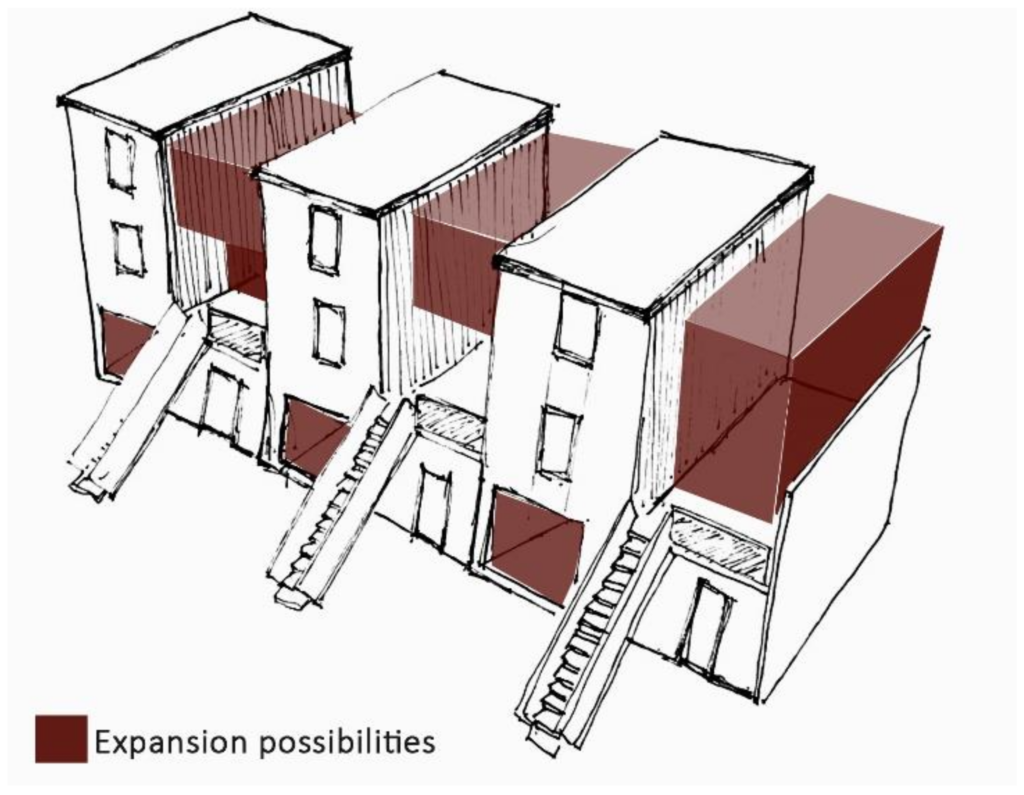
D.R. Horton is known for being America’s largest homebuilder by volume. They focus on affordability without compromising on quality. This company serves as a great example of how large construction firms can adapt to different economic markets. By offering homes across multiple price ranges, they ensure accessibility for first-time buyers and seasoned homeowners alike.
Their adaptability shows the importance of flexibility in the construction industry. By maintaining a wide portfolio, D.R. Horton addresses the challenges of rising housing demands and fluctuating economic conditions.
Example 3: PulteGroup
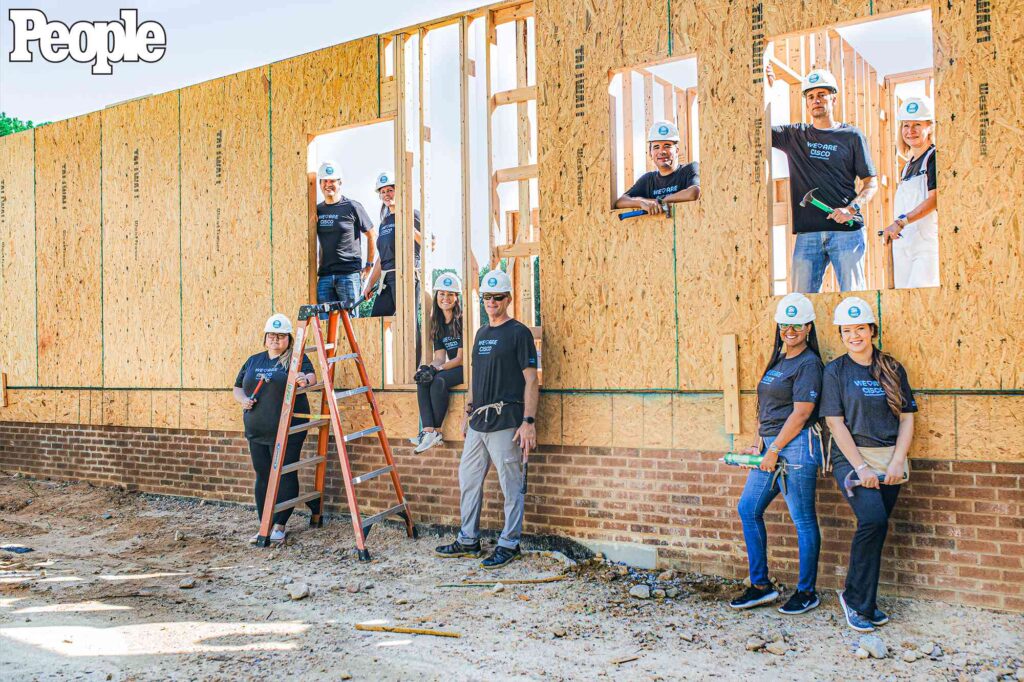
PulteGroup specializes in building homes tailored to specific life stages. From entry-level housing to luxury estates and active adult communities, they provide a personalized approach to construction. This level of customization is a growing trend in the industry, as many homeowners now expect tailored solutions rather than one-size-fits-all models.
Their customer-focused approach highlights the importance of aligning construction projects with demographic shifts and lifestyle preferences. PulteGroup demonstrates how companies can thrive by listening to the needs of their buyers.
Example 4: KB Home
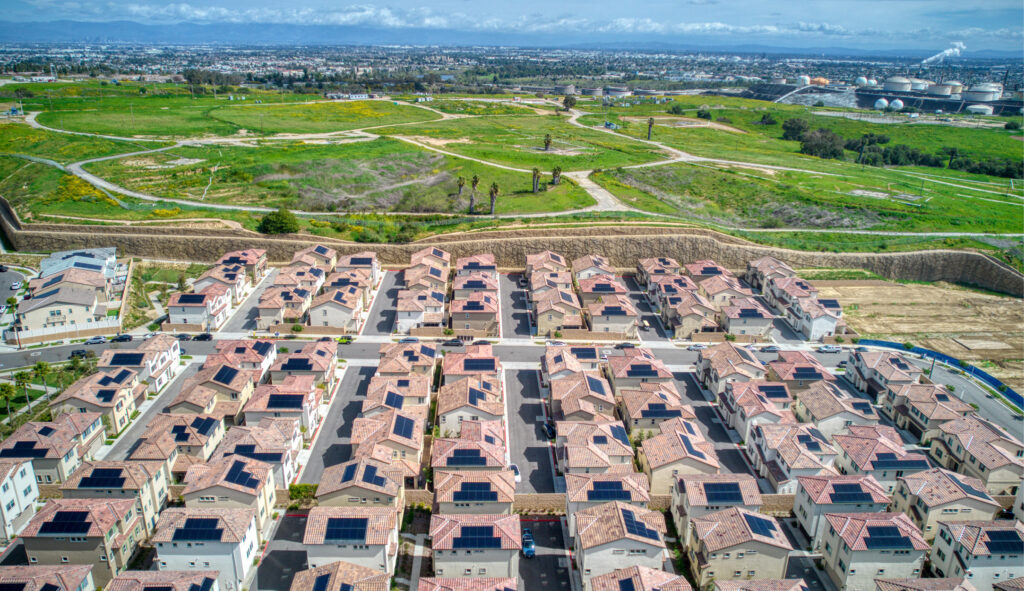
KB Home is recognized for its emphasis on energy efficiency and sustainability. They integrate eco-friendly materials, smart thermostats, and solar energy systems into their projects. This company represents the increasing role of environmental responsibility in modern homebuilding.
KB Home’s success shows that construction companies can lead the way in sustainable living while maintaining profitability. Their commitment to green building practices makes them a role model for others in the industry.
Benefits of Working with Home Construction Companies
One of the biggest advantages of working with home construction companies is reliability. They bring together diverse teams of experts under one system, ensuring that the entire process is streamlined. Instead of dealing with multiple contractors, clients have a single point of contact to handle permits, design, and construction.
Another benefit is the integration of advanced building technologies. From smart home features to sustainable construction methods, companies can provide homes that are modern, efficient, and future-proof. Beyond that, large construction firms often have access to better resources, which means higher-quality materials, stronger warranties, and faster completion times.
Practical Use Cases of Home Construction Companies
Home construction companies play a vital role in solving real-world housing challenges. For instance, in areas with growing populations, they help meet the rising demand by building entire communities quickly and efficiently. In disaster-prone regions, they construct resilient homes with reinforced materials and better structural designs to withstand earthquakes, hurricanes, or floods.
Another use case is affordability. By leveraging economies of scale, companies can offer entry-level housing for young families who might otherwise struggle to enter the housing market. They also provide customized solutions for retirees who prefer low-maintenance homes designed for accessibility.
In essence, construction companies do more than just build; they solve pressing social, economic, and environmental issues through the homes they create.
Frequently Asked Questions
1. What services do home construction companies typically provide?
Home construction companies handle the entire process of building a home. This includes land preparation, design, securing permits, managing construction crews, and ensuring the finished property meets building codes. Some also offer customization options, smart technology integration, and eco-friendly building solutions.
2. How do home construction companies use technology in their projects?
Modern homebuilders rely heavily on technology. Tools like BIM, drones, and AI-driven project management systems help improve accuracy and speed. Additionally, smart home systems and energy-efficient solutions are increasingly integrated into new builds, enhancing long-term value for homeowners.
3. Why should I consider working with a home construction company instead of independent contractors?
Choosing a home construction company ensures you get a full-service team that manages everything from start to finish. This approach reduces delays, minimizes risks, and provides a higher level of accountability. Independent contractors may handle specific parts of the project, but construction companies coordinate the entire process under one umbrella.