HPD Affordable Housing Complete Guide, Programs, Benefits, and Real-World Insights
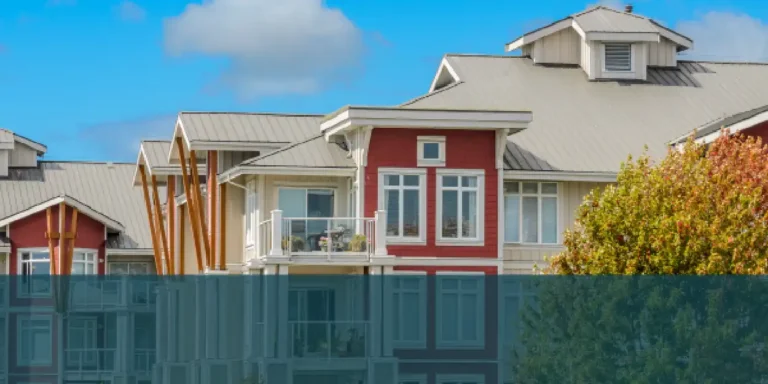
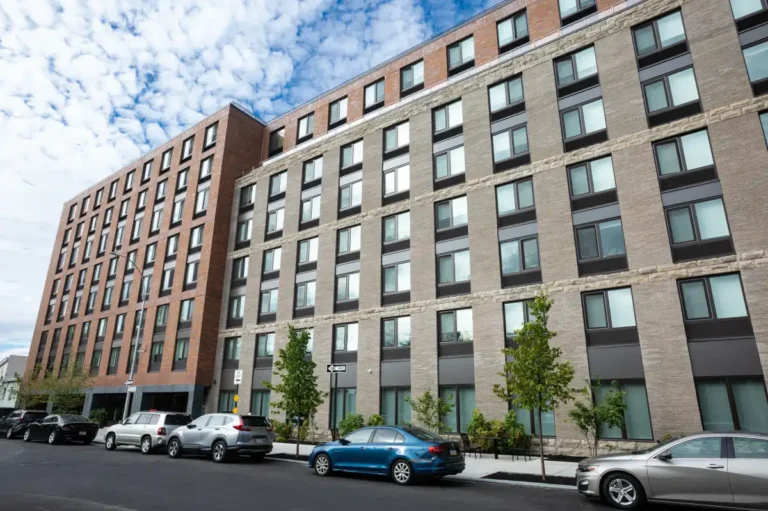
Affordable housing is one of the most important programs in major cities, especially in New York City. The New York City Department of Housing Preservation and Development (HPD) plays a key role in making sure people from different income groups have access to safe, quality, and reasonably priced housing. The HPD affordable housing program is designed to help residents who might struggle to keep up with rising market rents.
Through HPD, residents can apply for housing lotteries, gain access to newly developed apartments, and secure long-term affordability. The program doesn’t just provide housing units; it also ensures that neighborhoods remain diverse, inclusive, and sustainable for future generations.
What is HPD Affordable Housing?
HPD affordable housing refers to initiatives and programs managed by New York City’s HPD to increase the supply of affordable homes. These homes are offered at lower rental prices or ownership costs compared to the private housing market. Eligibility often depends on income, household size, and other requirements defined by the program.
HPD works in collaboration with developers, community organizations, and financial institutions to build and maintain affordable housing. This includes both rental apartments and homeownership opportunities. By focusing on affordability, HPD helps ensure that residents from low- to moderate-income households are not pushed out of the city due to high costs of living.
How HPD Affordable Housing Programs Work
Application Process
Residents typically apply through the Housing Connect portal, where housing lotteries are listed. Applicants must meet eligibility criteria, usually tied to income brackets and household sizes. After applying, a lottery system randomly selects individuals for further review, ensuring fairness and transparency.
The selection process is highly competitive since demand often exceeds supply. Once selected, applicants must provide documentation to confirm eligibility. If approved, they can move into an affordable unit with rents based on their income.
Funding and Partnerships
HPD affordable housing is possible through partnerships with private developers and federal or state funding programs. Tax incentives, low-interest loans, and zoning bonuses are often used to encourage developers to include affordable units in their projects. This public-private partnership model helps the city maximize the number of affordable units available.
Benefits of HPD Affordable Housing
Reducing Housing Burden
Affordable housing ensures that families spend a reasonable percentage of their income on rent or mortgage payments. This allows households to allocate more money toward essentials such as food, healthcare, education, and transportation.
Promoting Stable Communities
When families can afford housing, they are more likely to remain in their neighborhoods long term. Stable housing promotes stronger communities, better educational outcomes for children, and increased neighborhood safety. HPD programs also foster diversity by keeping neighborhoods accessible to a wide range of income levels.
Leveraging Technology in Affordable Housing Programs
HPD has integrated technology in the application and management process, such as the Housing Connect online platform. This digital system allows residents to easily search for affordable housing opportunities, apply online, and track their application status. By using technology, the process has become more transparent, efficient, and accessible to residents across the city.
Real-World Examples of HPD Affordable Housing Projects
Example 1: Via Verde, The Bronx
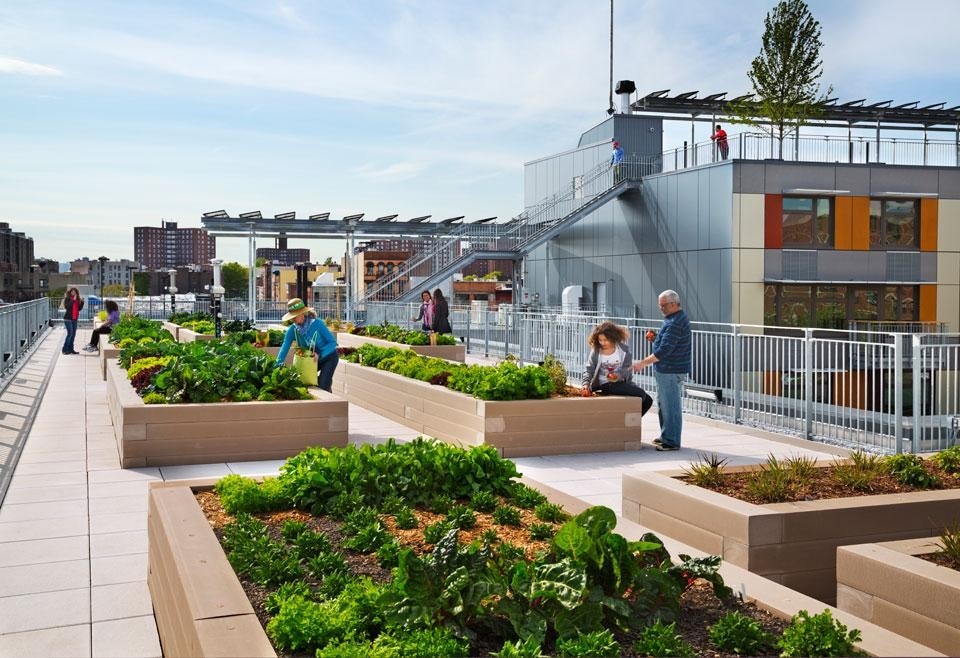
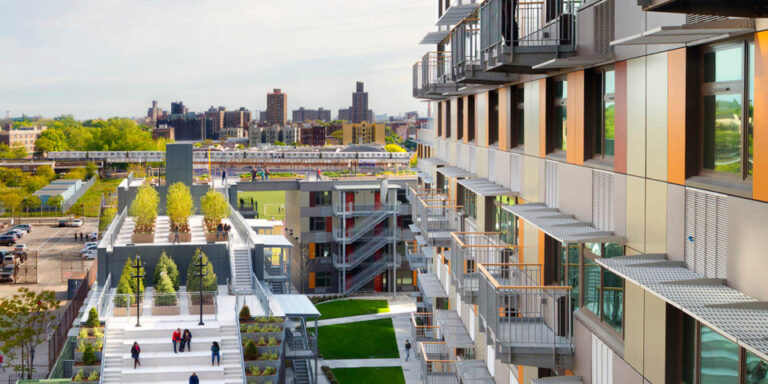
Via Verde is a well-known HPD-supported housing project in the South Bronx. It combines affordable rental units with sustainable green design. The project includes rooftop gardens, energy-efficient features, and community spaces. Its design demonstrates how affordable housing can also be modern, eco-friendly, and community-oriented.
This project is significant because it shows that affordability doesn’t mean sacrificing quality. Residents enjoy a healthier lifestyle with access to green spaces while paying rents tied to their income levels.
Example 2: Hunters Point South, Queens
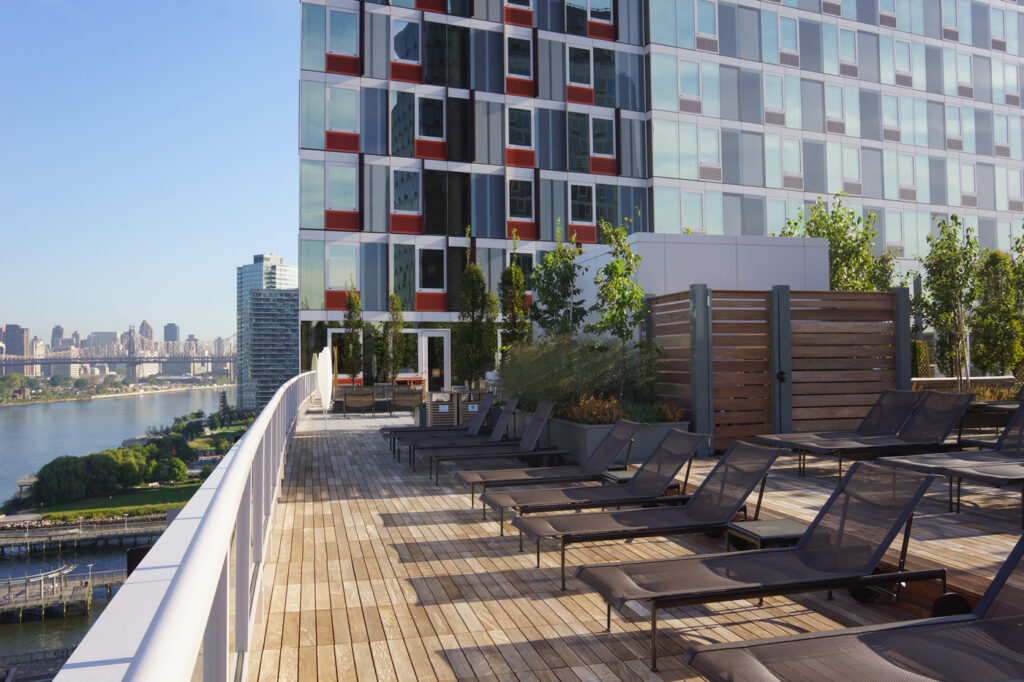
Hunters Point South is one of the largest affordable housing developments in New York City. Situated along the Queens waterfront, it provides thousands of affordable rental units. The development was created through partnerships between HPD, private developers, and nonprofit organizations.
The project not only provides housing but also integrates schools, retail spaces, and parks, making it a vibrant mixed-use community. It’s a strong example of how large-scale development can balance affordability with urban growth.
Example 3: Essex Crossing, Lower East Side
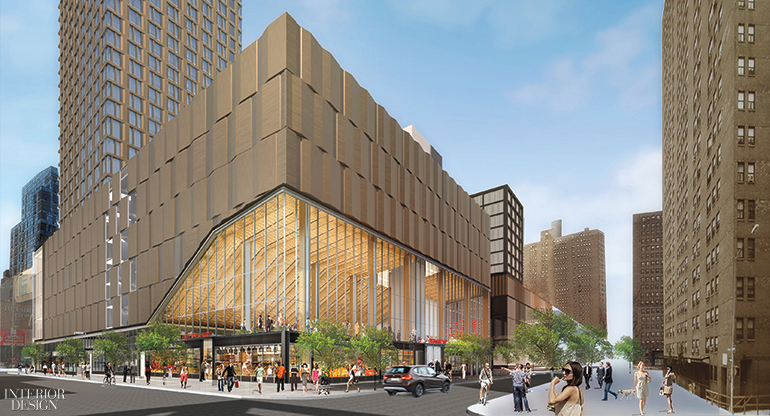
Essex Crossing is a multi-building development that includes a significant number of affordable housing units. Supported by HPD, the project revitalizes an underutilized part of Manhattan while ensuring affordability is preserved.
In addition to housing, Essex Crossing integrates healthcare facilities, retail stores, and cultural spaces. This project highlights HPD’s role in making sure revitalization doesn’t exclude long-term residents. It demonstrates how affordability and urban renewal can go hand in hand.
Example 4: The Arverne View, Rockaway, Queens
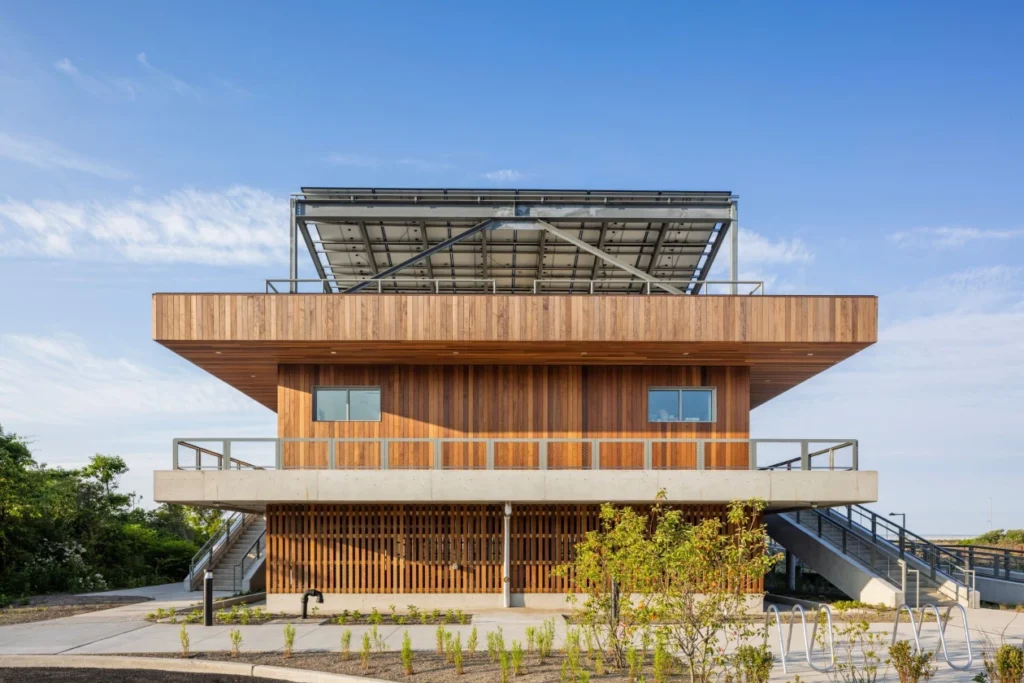
Originally built in the 1970s, Arverne View was rehabilitated with HPD’s support to preserve affordability for thousands of residents. The renovation included modern amenities, energy-efficient upgrades, and improved safety features.
This case shows how HPD not only builds new projects but also preserves existing affordable housing. Without HPD intervention, many of these units could have shifted to market-rate housing, displacing residents.
Example 5: The Bronxchester Renewal Plan
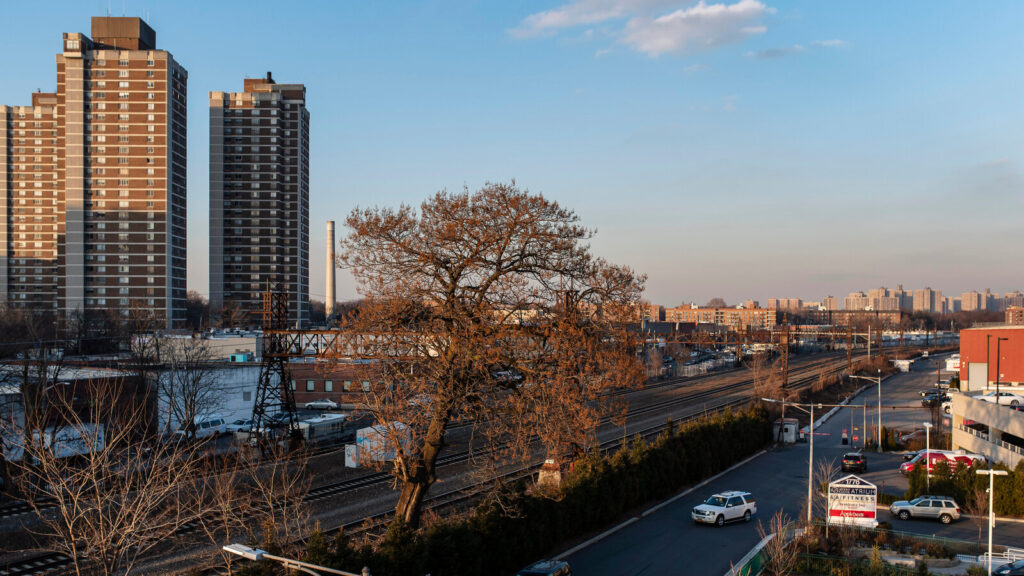
HPD played a central role in the Bronxchester Renewal Plan, which transformed underutilized lots into affordable housing units and community facilities. The plan was designed to combat blight and improve the quality of life in the South Bronx.
This project demonstrates how HPD uses urban planning to integrate housing with community resources. By doing so, it not only provides shelter but also creates stronger social and economic foundations for the neighborhood.
Practical Use Cases of HPD Affordable Housing
Helping Low-Income Families. HPD’s affordable housing directly supports families earning below the city’s median income. Without such programs, many families would face eviction or homelessness due to rising rental prices.
Supporting Essential Workers
Teachers, healthcare workers, and public service employees often fall into middle-income brackets. HPD affordable housing allows them to live closer to their workplaces instead of being priced out of the city.
Combating Gentrification
As neighborhoods undergo gentrification, long-term residents are at risk of being displaced. HPD affordable housing programs provide stability, ensuring communities remain diverse and inclusive.
Frequently Asked Questions
1. Who qualifies for HPD affordable housing?
Eligibility depends on income, household size, and other factors. Most programs are designed for low- to moderate-income households, with requirements clearly listed in each housing lottery.
2. Is HPD affordable housing permanent?
In most cases, rents are stabilized for long periods, often decades. Some units are preserved through long-term agreements with developers, ensuring affordability remains intact.
3. How competitive is the HPD affordable housing application process?
Extremely competitive. Demand often far exceeds supply, which is why lotteries are used. However, HPD continues to expand housing initiatives to increase opportunities.