40B Housing Complete Guide to Affordable Housing Under Massachusetts Chapter 40B
In Massachusetts, the cost of housing continues to climb, making it difficult for many families to find affordable homes. To address this issue, the state introduced Chapter 40B, also known as the Comprehensive Permit Law. This regulation allows developers to bypass certain zoning restrictions if they include affordable housing in their projects. The result is what’s commonly known as 40B housing developments that dedicate at least 20–25% of units to low- or moderate-income households.
40B housing has become a key policy tool in ensuring towns across Massachusetts provide more inclusive housing opportunities. With housing affordability being a pressing issue, this initiative ensures that people of different income levels can live in thriving communities without being priced out.
What is 40B Housing?
40B housing is created through Massachusetts’ Chapter 40B law, enacted in 1969. It enables developers to seek special permits if they agree to allocate a portion of their housing project as affordable units. This provision applies when less than 10% of the town’s housing stock is considered affordable.
The program is designed to push communities toward the state’s goal of at least 10% affordable housing. By combining private development with public interest, 40B encourages the construction of mixed-income communities, preventing segregation by income and promoting economic diversity.
How the 40B Housing Process Works
The Role of Developers and Zoning Boards
Developers proposing a 40B project can override local zoning rules such as density limits, building height, or lot size requirements. They apply for a Comprehensive Permit from the local Zoning Board of Appeals (ZBA). The ZBA then reviews the proposal, weighing both the community’s needs and the state’s affordable housing requirements.
This process balances the power of developers with local input while ensuring affordable housing is prioritized. For many towns, 40B projects are one of the fastest ways to move toward compliance with the state’s housing goals.
Funding and Affordability Standards
Affordable units in 40B housing projects are typically reserved for households earning 80% or less of the Area Median Income (AMI). Rents or purchase prices are capped so residents do not pay more than 30% of their income on housing. Funding often involves partnerships with state housing finance agencies, nonprofit groups, and private investment, making these projects financially sustainable.
Benefits of 40B Housing
Expanding Housing Access
40B housing provides opportunities for families who might otherwise be shut out of high-cost markets. It gives access to quality housing in safe neighborhoods with good schools, healthcare, and job opportunities.
Promoting Inclusive Communities
By requiring developers to mix affordable units within larger developments, 40B ensures that neighborhoods remain diverse. Instead of isolating low-income families, it integrates them into communities with shared amenities, building social and economic connections.
Benefits of Technology in the 40B Process
Technology has streamlined the application and lottery process for 40B housing. Online portals allow prospective tenants or buyers to apply digitally, upload documentation, and track their application status. For developers, digital tools simplify compliance tracking, reporting, and communication with municipalities. These advancements make the entire process more transparent and accessible.
Real-World Examples of 40B Housing Projects
Example 1: Avalon North Reading
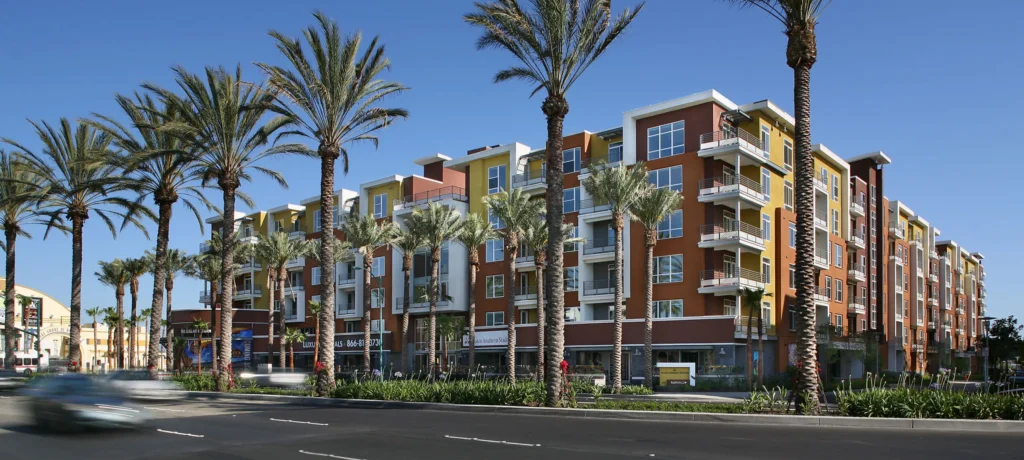
Avalon North Reading is a large-scale development that includes affordable units under Chapter 40B. The project blends market-rate apartments with affordable rentals, offering residents modern amenities like fitness centers, green spaces, and community lounges.
Its success shows how 40B housing can create high-quality living spaces that appeal to all income levels, proving that affordability does not mean compromising on design or comfort.
Example 2: The Commons at Sudbury Station
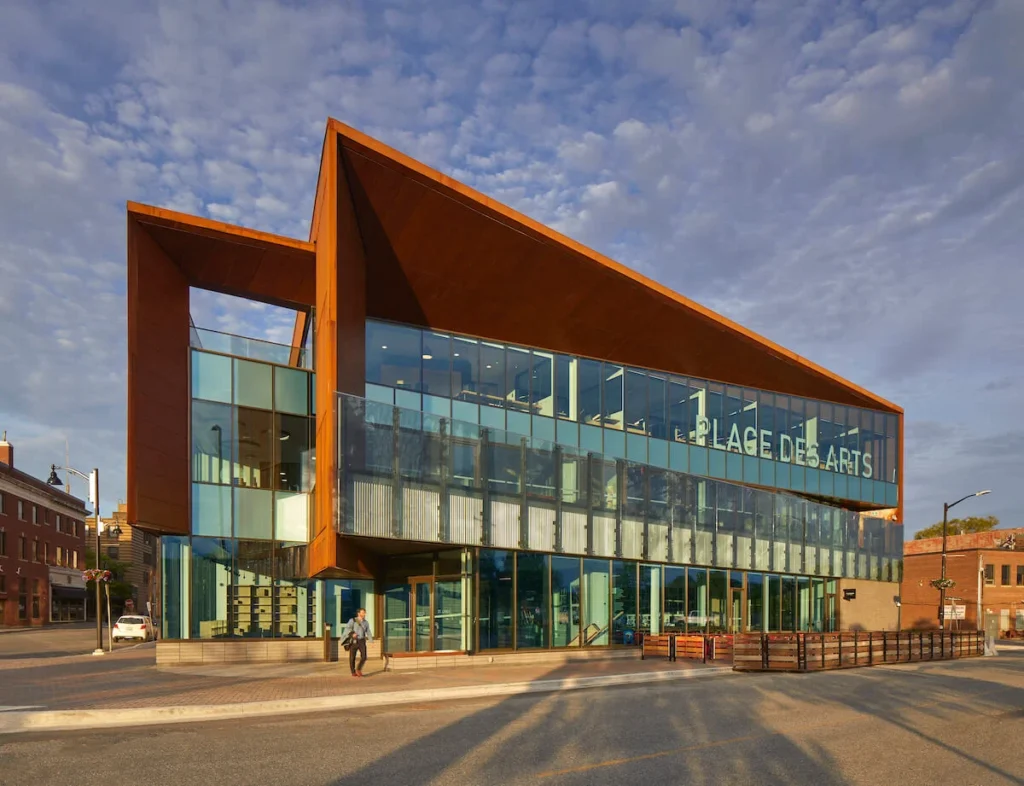
The Commons at Sudbury Station became a landmark case in the 40B debate. While initially controversial, it demonstrated how 40B can push towns resistant to affordable housing to meet state goals.
The project highlighted the tension between local control and state mandates but ultimately reinforced the importance of creating diverse housing opportunities. It remains a critical example of how 40B addresses affordability gaps in wealthy suburbs.
Example 3: Avalon Bay Lexington
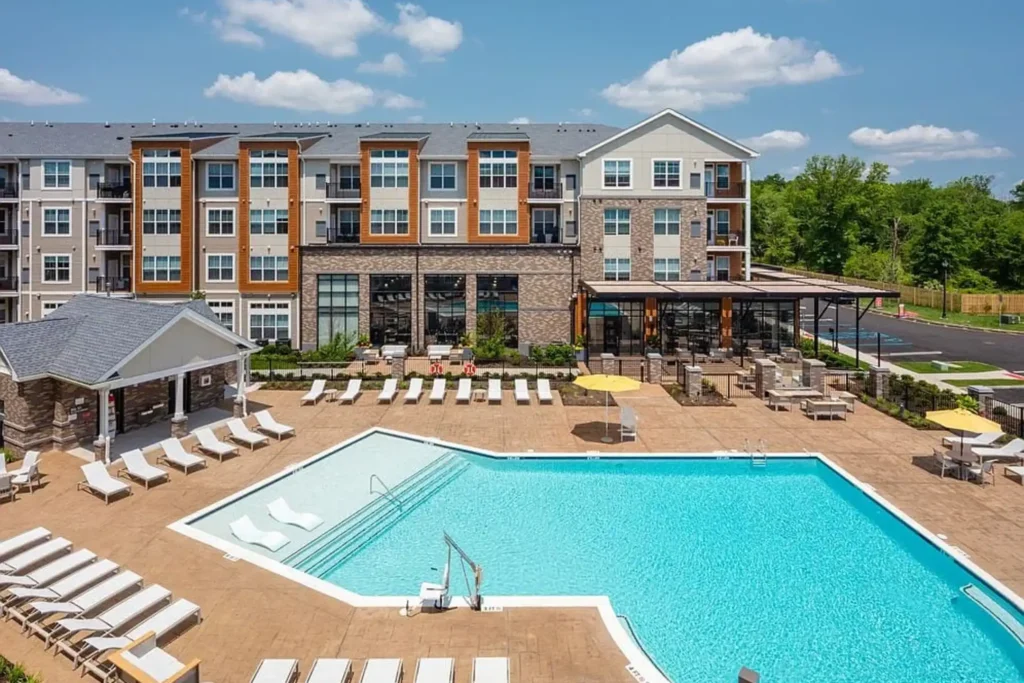
Avalon Bay Lexington includes both market-rate and affordable units developed under 40B guidelines. The project offers amenities such as swimming pools, playgrounds, and landscaped walking areas.
This example underscores how 40B projects provide affordable housing in high-demand towns like Lexington, where otherwise low-income families might have no housing options.
Example 4: Newton Residences at Oak Hill
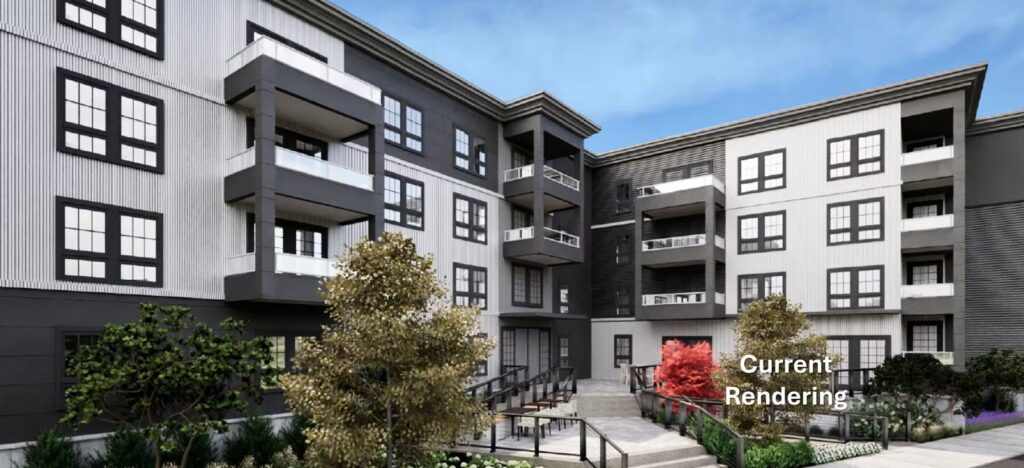
Oak Hill Residences in Newton added affordable units through 40B, integrating them into a larger upscale development. Newton, known for high property values, benefitted from this inclusion by offering affordable options without diminishing community character.
It showcases how 40B can break barriers in towns that typically lack affordable housing. The project helps create access to Newton’s strong schools and resources for a wider range of families.
Example 5: Bedford Woods Apartments
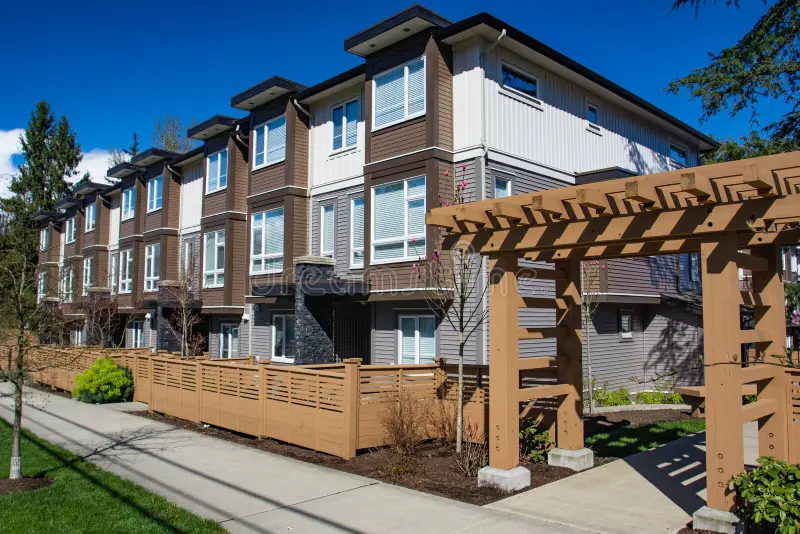
Bedford Woods Apartments incorporated 40B affordable units, ensuring that working-class families could continue living in the town despite rising housing costs. This project preserved community diversity while also revitalizing underutilized land.
It illustrates how 40B can serve as a tool not only for affordability but also for smart urban development.
Practical Use Cases of 40B Housing
Supporting Workforce Housing
Teachers, healthcare workers, and first responders often cannot afford to live in the towns where they work. 40B housing ensures these essential workers have access to safe, affordable homes within their communities.
Combating Suburban Exclusion
Many suburban towns historically restricted affordable housing. 40B breaks down these barriers, compelling towns to include diverse housing options and combating exclusionary zoning practices.
Preventing Displacement
As housing costs rise, long-term residents risk being priced out. 40B projects stabilize neighborhoods by offering affordable alternatives that keep residents in place and maintain cultural continuity.
Frequently Asked Questions
1. Who qualifies for 40B housing in Massachusetts?
Eligibility is generally limited to households earning 80% or less of the Area Median Income (AMI). Applicants must meet income guidelines and sometimes additional criteria set by the development.
2. How are 40B housing units allocated?
Units are usually distributed through a lottery system. Applicants submit forms online, and eligible households are chosen at random to ensure fairness and transparency.
3. Does 40B housing lower property values in towns?
Studies show that 40B housing has little to no negative effect on property values. In many cases, new developments can even enhance neighborhood appeal by revitalizing underused land and adding community amenities.